
Fiction craft
Write Cozy Fantasy: A Free Start with Local Stakes
Give a small community something worth fighting for without putting the whole world in danger.
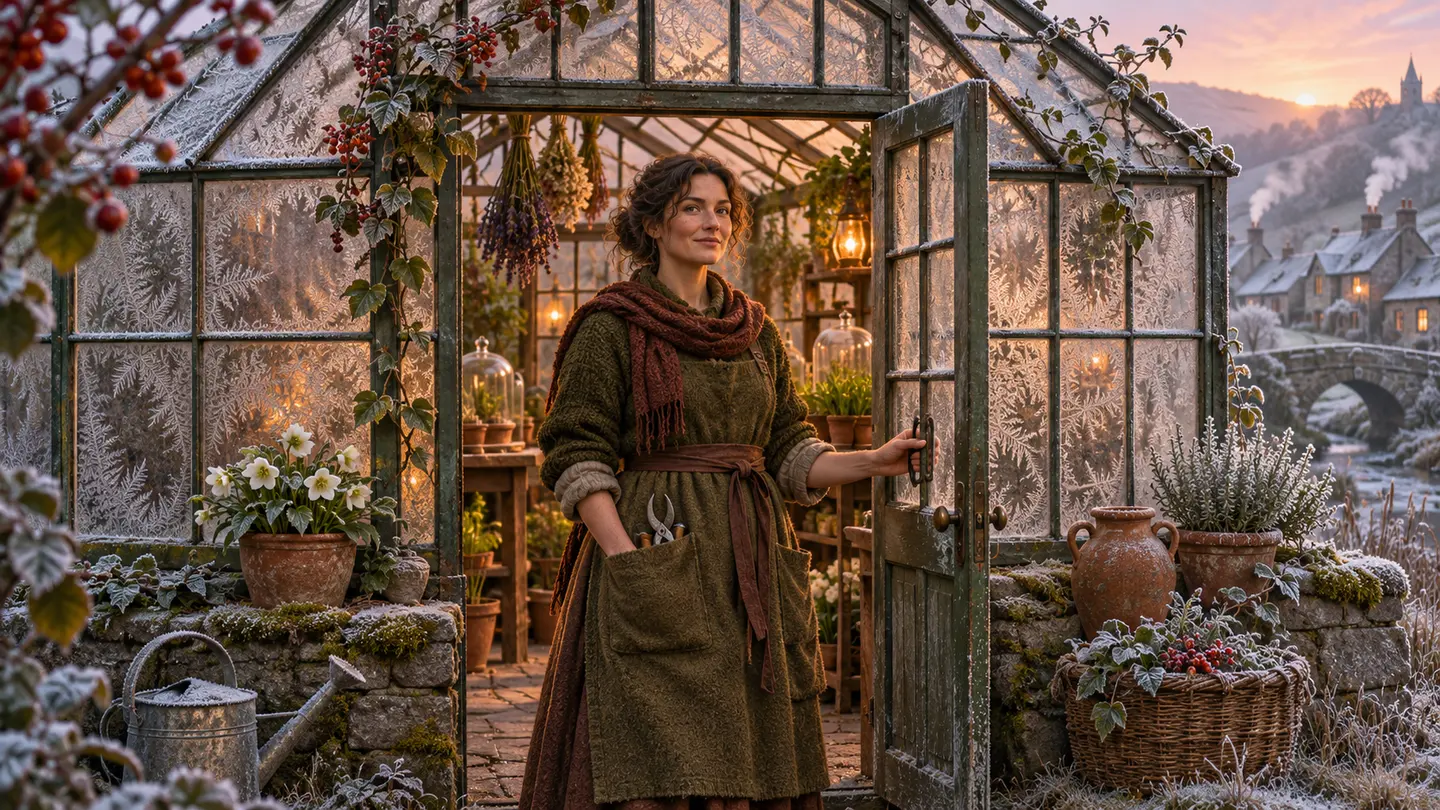
When you write cozy fantasy, it can be easy to find a welcoming place and surprisingly hard to give anyone a reason to act. A village greenhouse full of seedlings and warm light gives readers somewhere to settle. It does not yet give them a story. Put two people with good reasons on opposite sides of a decision, and the same greenhouse can hold a conflict that matters without needing an approaching army or a prophecy.
Imagine that Mira looks after the village greenhouse. A frost is coming and she has one heat-retaining stone. Lina needs the warm bench for seedlings promised to the village kitchen; Tom needs it for cuttings his neighbor entrusted to him before moving away. Neither is lying about the deadline. Mira could save some of both batches, but she cannot honor both requests in full. We will use this invented situation to plan a short arc and compare one decision in Fyrlo.
Write cozy fantasy around a decision someone has to make
State the premise in terms of a person, a limit and a choice: Before the first hard frost, a greenhouse steward must decide how to share one warm bench between two neighbors who each trusted her to make room. If your premise merely says that Mira learns to value community, you do not yet know what she does when the door opens. The bench makes that abstract idea testable. You can put the pots on it, count the places and see which promise no longer fits.
Make the cost personal before you make it dramatic. The kitchen will have to adjust its menu if Lina loses seedlings; Tom will have to tell his neighbor that he could not keep every cutting alive. Mira has to face both people when she opens the greenhouse again. In his Spokane Public Radio interview, novelist Travis Baldree discusses how fantasy can make ordinary changes feel worth attending to. For this story, that means showing exactly whose routine changes, not adding a greater disaster to justify the reader’s attention.
Give the magic a boundary you can draw
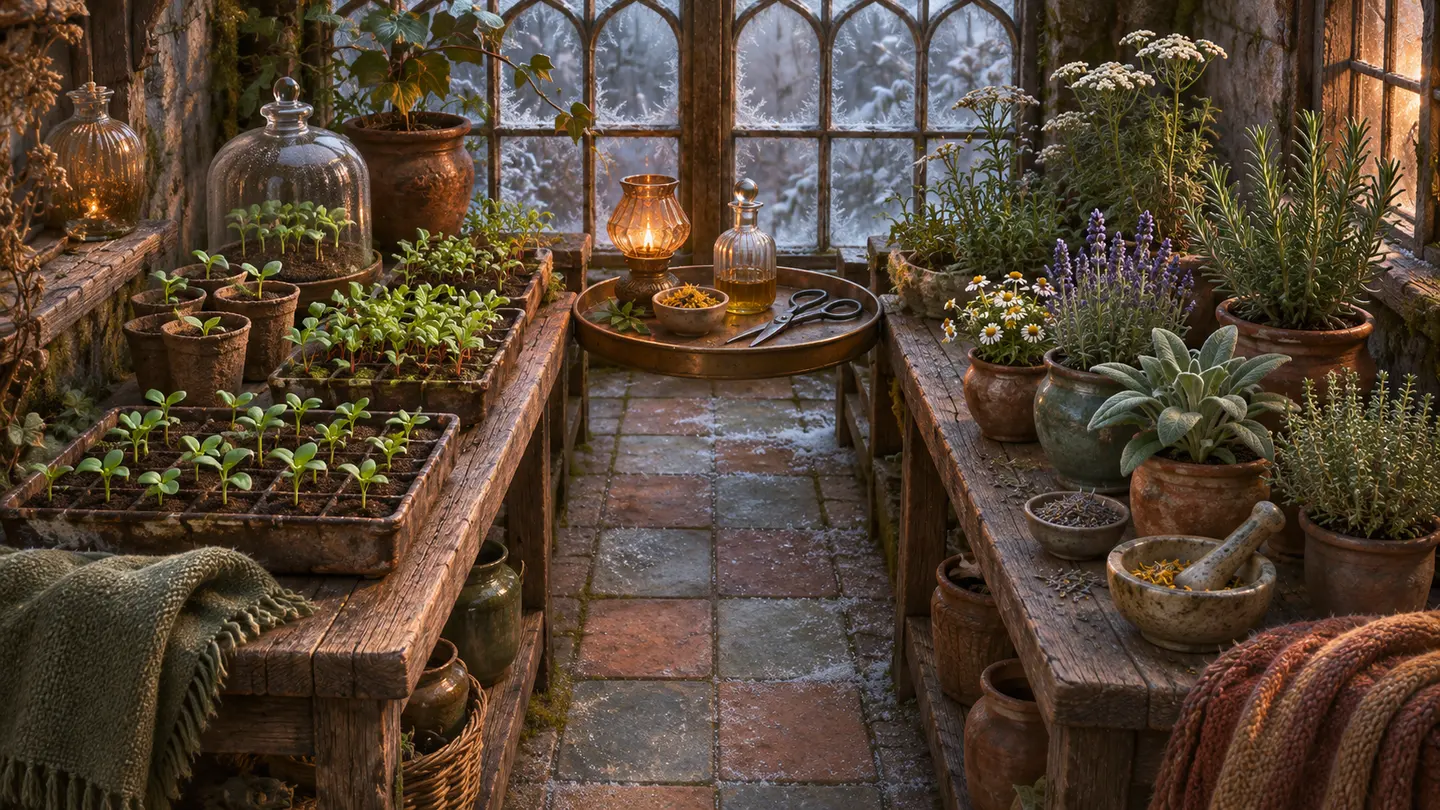
Put the stone on a ceramic tray under the middle of the bench. It gives up enough stored heat to protect eight small pots until dawn, provided the outside door stays closed. It does not warm the other bench and cannot be recharged at night. Write those rules down before drafting. A reader need not know how the stone was made, but they need to know enough to understand why moving it between benches every few minutes is not a painless answer.
Introduce the rule while Mira does her rounds. She moves a pot out of the aisle and runs her finger along the last clear patch on the frosted glass. Lina arrives with twelve seedlings and immediately begins deciding which to save. Once the limit is visible in action, you can let the characters argue about what to do rather than ask them to explain the rules again. If the plan later depends on a ninth pot surviving, change the plan or revise the rule and its earlier demonstration together.

Give each neighbor a commitment beyond wanting the bench
Lina promised the kitchen a tray of seedlings every week. Her first concern is a promise she made publicly, not winning an argument. Tom agreed to care for cuttings from a garden that no longer belongs to his neighbor. He cannot simply get more at a shop. Mira has promised that access to the greenhouse will not depend on who she likes best. If you can replace either neighbor with a generic grumbler and nothing changes, give that person a promise that points toward a different solution.
Write one action each person can take without Mira’s permission. Lina can choose which seedlings matter most for the next planting. Tom can explain which cuttings have duplicates. Mira can count the safe spots and invite them to place pots themselves. The eventual compromise should come from what the people bring to the decision, not from a clever steward who solves everything while the neighbors watch. That is also a practical way to test whether each supporting character has real influence on the plot.
Put the premise, characters and consequences in one plan
Start in Fyrlo with a short premise and the three commitments. Ask for a chapter plan that keeps the stone’s capacity fixed. Give the plan three jobs: make the constraint visible, force a provisional decision, and let a neighbor react in a way that changes the next scene. Add anything you cannot afford to lose to the brief itself. For example, there is no backup stone, and Tom does not know about the kitchen promise when he first arrives. Those facts matter more than a complete history of the village.
Review the plan against a list of changes, not a list of cozy objects. By the end of chapter one, someone should have acted on the expectation that they will have the warm bench. By the end of chapter two, that expectation is no longer safe. By the end of chapter three, Mira must have put a decision into practice and taken responsibility for a cost. The warmth comes from how they treat one another during the conflict. It does not need to come from a new rule that makes the decision unnecessary.
Compare who hears the first request
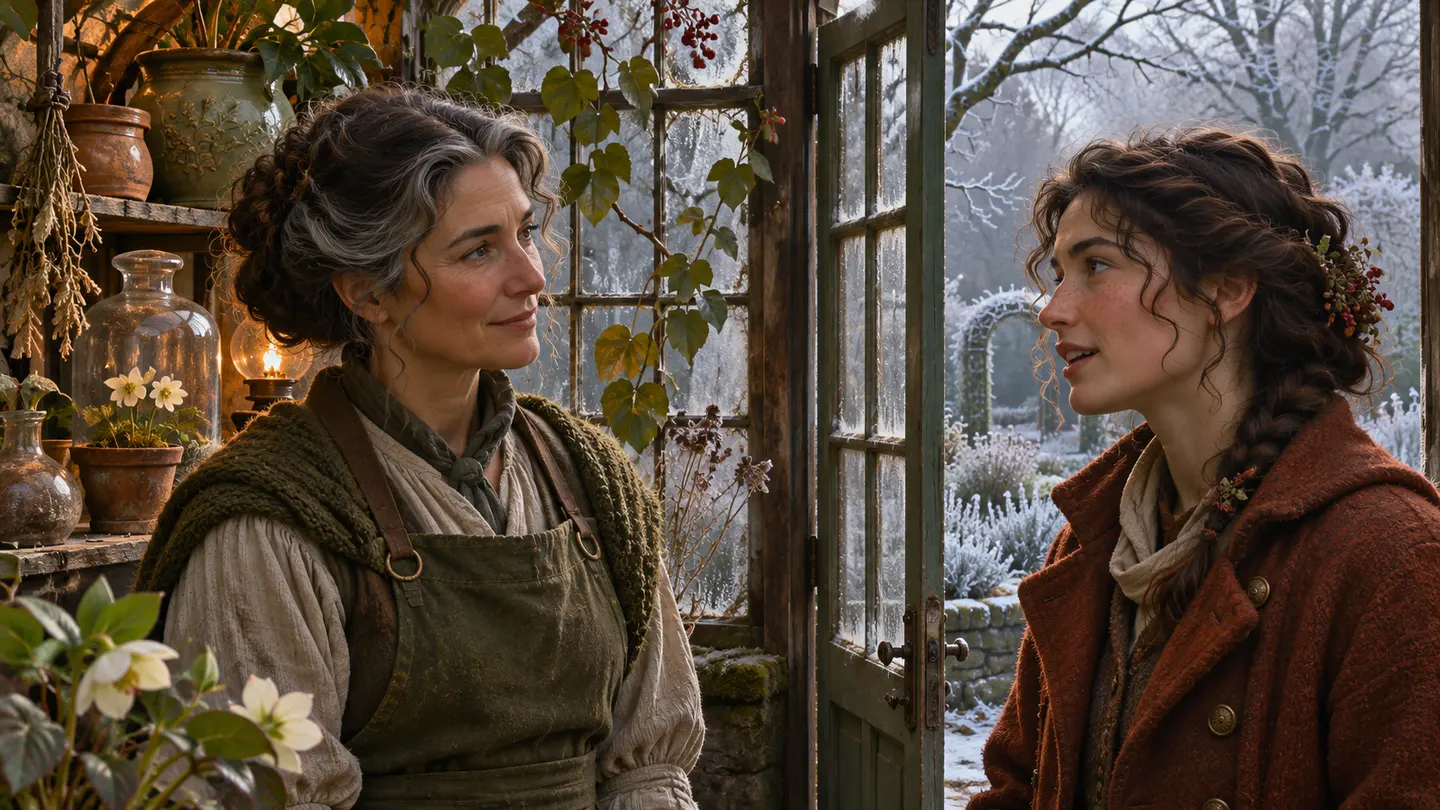
Make two short drafts of the same threshold scene. In version A, Tom asks for the bench privately, before Lina arrives. In version B, he asks with Lina close enough to hear. Keep the viewpoint, deadline, pot count and words of the request fixed. You can make separate requests in Fyrlo with the same scene brief and change only who is present. Do not also ask one draft to be funnier or sadder. Otherwise you will not know whether the scene improved because the information changed hands or because you changed the tone.
Read each draft through the next decision. The private request lets Mira make a quick reassurance that Lina may later take for favoritism. The public request makes it harder for Mira to reassure either neighbor, but gives Lina a chance to propose a shared allocation immediately. Neither version is always stronger. Choose the one that tests the promise you most want to put under pressure. If you choose private, write down exactly what Mira says so a later chapter does not inflate a polite acknowledgment into an unconditional guarantee.
Carry the chosen version into the next chapter
Keep a short note beside the draft: eight warm places, both trays still intact, Tom asked first in private, Lina knows nothing of that conversation, Mira promised to count the pots before deciding. Add facts only once they are established on the page. A chapter brief can then start with what has changed and what the next person needs to do. Ask for a scene in which Lina learns there are eight places and chooses what to put in the first four, without knowing anything she has not been told.
After drafting, mark each new sentence that alters a promise, rule or relationship. If Tom walks in carrying a second stone, strike it or rework the entire premise knowingly; do not let a convenient suggestion rewrite your story by accident. If Lina volunteers a fair way to choose the remaining pots, you can keep the change and update the next chapter brief. Review the actual prose yourself. A planning tool can suggest dialogue and actions, but it cannot guarantee continuity, accuracy, originality, rights clearance or readiness to publish.
Before closing the chapter, read it once from Tom’s side. If he accepts four places without hesitation, show the moment when he notices a cutting he can bear to leave out. His acceptance need not be cheerful, but it should be intelligible.

End by returning to the routine that changed
The morning after the frost, let a concrete task show the result. Lina sorts the surviving seedlings for the kitchen. Tom finds that the four cuttings he chose are intact, and asks if he can borrow a pot to propagate another in spring. Mira has not made everyone whole. She has made the process visible, and next time the people who use the greenhouse can make a plan before a cold night. If you end with a speech about kindness instead, try giving one of those lines to an action: a neighbor holds a door, counts a tray or leaves space for a late arrival.
Start with the threshold scene if you want to try the process before planning a full book. Fyrlo is free to download and includes some usage; it does not make every feature or unlimited drafting free. Keep the small test useful either way: put the two versions side by side, underline the first action that differs, and decide which consequence you would rather write tomorrow. The point of the exercise is a stronger choice, not two polished chapters you have to keep.