Writing tips

How to write a strong story prompt for AI chapters

Specific prompts produce better chapters. Learn what to include—and what to leave out—when generating with Fyrlo.
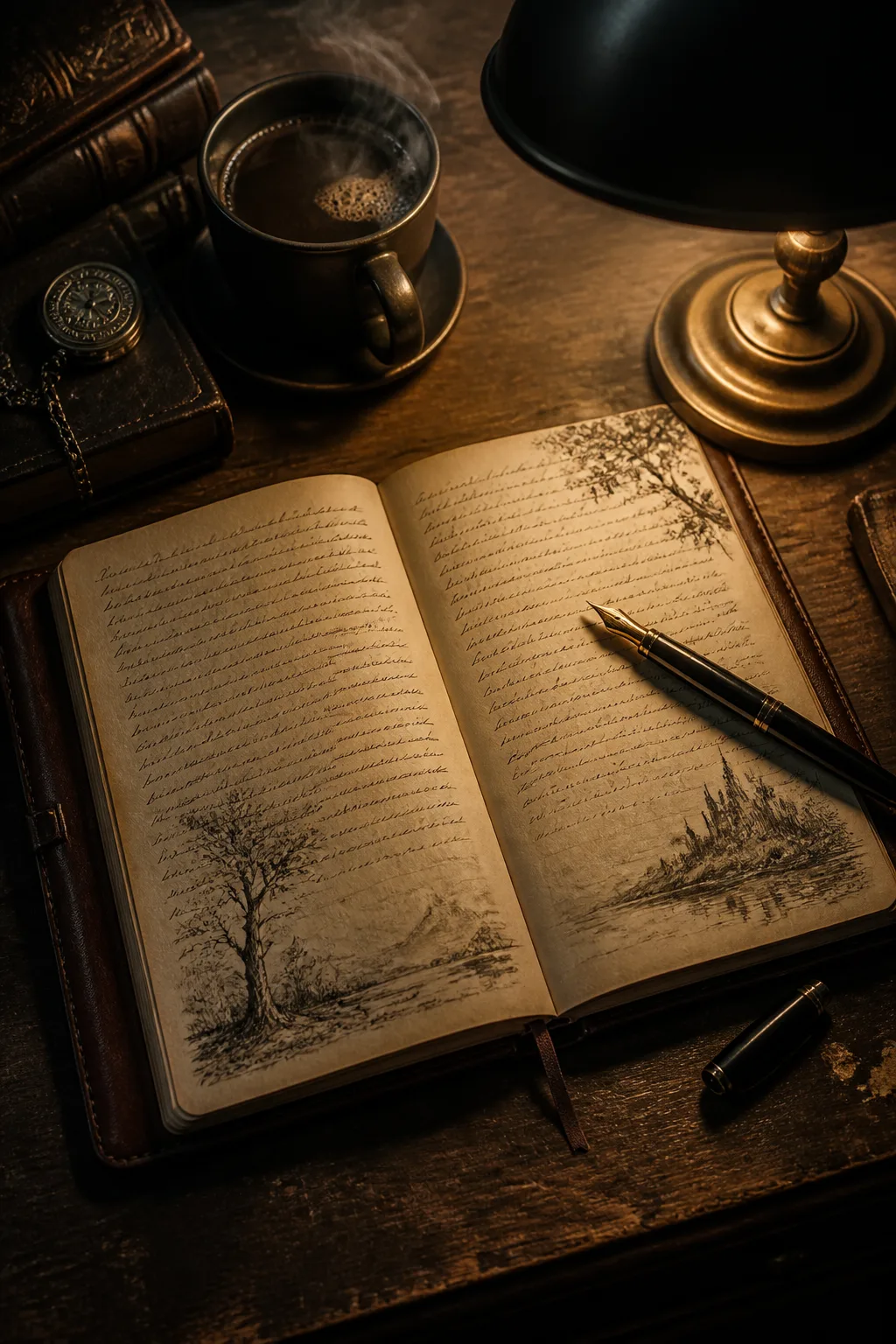
A classic writing desk with an open manuscript and fountain pen

Weak prompts produce generic chapters. Strong prompts give Fyrlo enough constraint to be creative without wandering off-genre.

Treat every generation prompt like a brief to a human co-writer: clear goal, clear boundaries, one scene or chapter focus.

Include the essentials

Every strong prompt answers at least four questions:

  • Who is the POV character in this chapter?
  • What must happen before the chapter ends?
  • What emotion or tone should dominate?
  • What should NOT happen yet (save the twist for later)?

Example: vague vs. specific

Vague: “Write the next chapter where things get exciting.”

Specific: “Chapter 4, Maya POV. She discovers the letter in the attic, confronts her brother about the lie, but does not reveal she already spoke to the police. Tone: tense, rainy evening, literary thriller.”

The second prompt gives setting, conflict, and pacing guardrails.

One chapter, one main beat. Save subplots for their own generation prompts.
Creative spark illustration for starting a story in Fyrlo
Example visual from the Fyrlo writing flow — individual results can vary.

Use the wizard as your baseline

Genre, tone, and length from the creation wizard already steer the model. Your per-chapter prompt should add scene-specific detail—not repeat the entire series bible every time.

Reference characters by name and remind the AI of one relationship dynamic when dialogue matters.

When to regenerate vs. rewrite the prompt

Regenerate when the draft is close but wording or pacing is off. Rewrite the prompt when the plot went wrong, a character acted out of character, or genre drifted.

After two failed regenerations, stop and fix the prompt. More attempts with the same vague instruction rarely help.

A manuscript progressing from annotated draft to a clean revised version
Observe, change deliberately, review in context.

After you read

Turn the guide into one reviewable change.

A useful article does not end with an idea. It gives you a next step you can test and judge inside the current project.

Open the affected prompt, plan entry, character note, or chapter passage. Change one variable while keeping the premise, format, tone, and remaining context stable. That makes the effect of the advice easier to see.

Read the new version in context. Review story movement and continuity first, then voice and sentence-level polish. Write one sentence about what the next generation should preserve and one about what it should change.

Browse all Fyrlo guides →
01

Choose one variable

Change only the point this guide addresses so the comparison remains meaningful.

02

Read the whole scene

Do not judge one strong sentence. Check what changes for character, conflict, and the next chapter.

03

Record the next beat

Write down what should remain and the specific job the following section needs to perform.

Your next chapter, without the blank page

Ready to draft your story?

Choose a format, set genre and tone, and keep generating chapters worth continuing in your library.

Good to know

Questions about this guide

How long should a prompt be?

Two to six sentences is usually enough. Long prompts can confuse priorities; add detail only when it changes the scene outcome.

Should I paste my entire outline?

Summarize the relevant beat for this chapter only. Full outlines belong in plot planning, not every generation.

Can I write prompts in other languages?

Fyrlo supports multiple languages depending on app settings. Match your prompt language to the language you want in the draft.

Do prompts affect credit cost?

Credit use is tied to generation, not prompt length. Focus on quality over brevity for credit savings.