
Writing tips
Subplots in a novel: make every thread matter
Give a secondary character a goal of their own, then make that thread change the choices, costs, and outcome of the main story.

Subplots in a novel earn their space when a second person's pursuit changes what the protagonist can do. A separate romance, rivalry, or family quarrel may be pleasant to read, yet still feel detachable if the main story would end exactly the same way without it. The useful question is concrete: what choice, information, resource, risk, or relationship does this thread alter?
Imagine a mountain railway after a storm. Elin, the engineer responsible for reopening a branch line, must inspect a damaged junction before the weather closes in. Noor, an apprentice in the nearby signal cabin, wants to prove she can run the station without relying on her retired father. Her effort to repair an old warning bell seems like a small personal story. It becomes a real subplot when her pride delays an important call, the repair reveals a hidden fault, and her eventual decision changes whether Elin allows the train through. The method below works without software: build each thread, make them collide, and test the final consequence.
Give subplots in a novel their own small story
A subplot is not merely another topic the book mentions. It has a person who wants something, an obstacle, an action, and a changed condition. Noor wants responsibility for the station after her father retires. She thinks asking him for help will confirm that she is not ready. The bell is not a decorative object; restoring it is a test of her skill and an excuse to avoid the conversation she fears. If she simply helps Elin inspect rails, she is doing a supporting task in the main plot. Her independent desire creates the second story.
Write the secondary line in one sentence: Noor tries to earn the right to run the station, but her refusal to seek her father's knowledge makes the junction less safe. That sentence names an aim and a cost. Then write three turning points: she takes on the repair, she discovers that her first fix is insufficient, and she finally asks for the missing information. These beats are enough to give the thread motion without promising it equal weight with Elin's reopening story.
The Palomar College guide to subplots describes a supporting line with its own beginning, middle, and end. Treat that as a practical diagnostic, not a command to insert three separate blocks. The opening may happen inside an inspection scene; the reversal may interrupt a train scheduling call; the resolution may occur during the main climax. Interweaving keeps the reader aware that both people inhabit the same world and face the same weather.
The test is a visible effect on Elin's story, rather than a vague claim that the subplot adds depth.
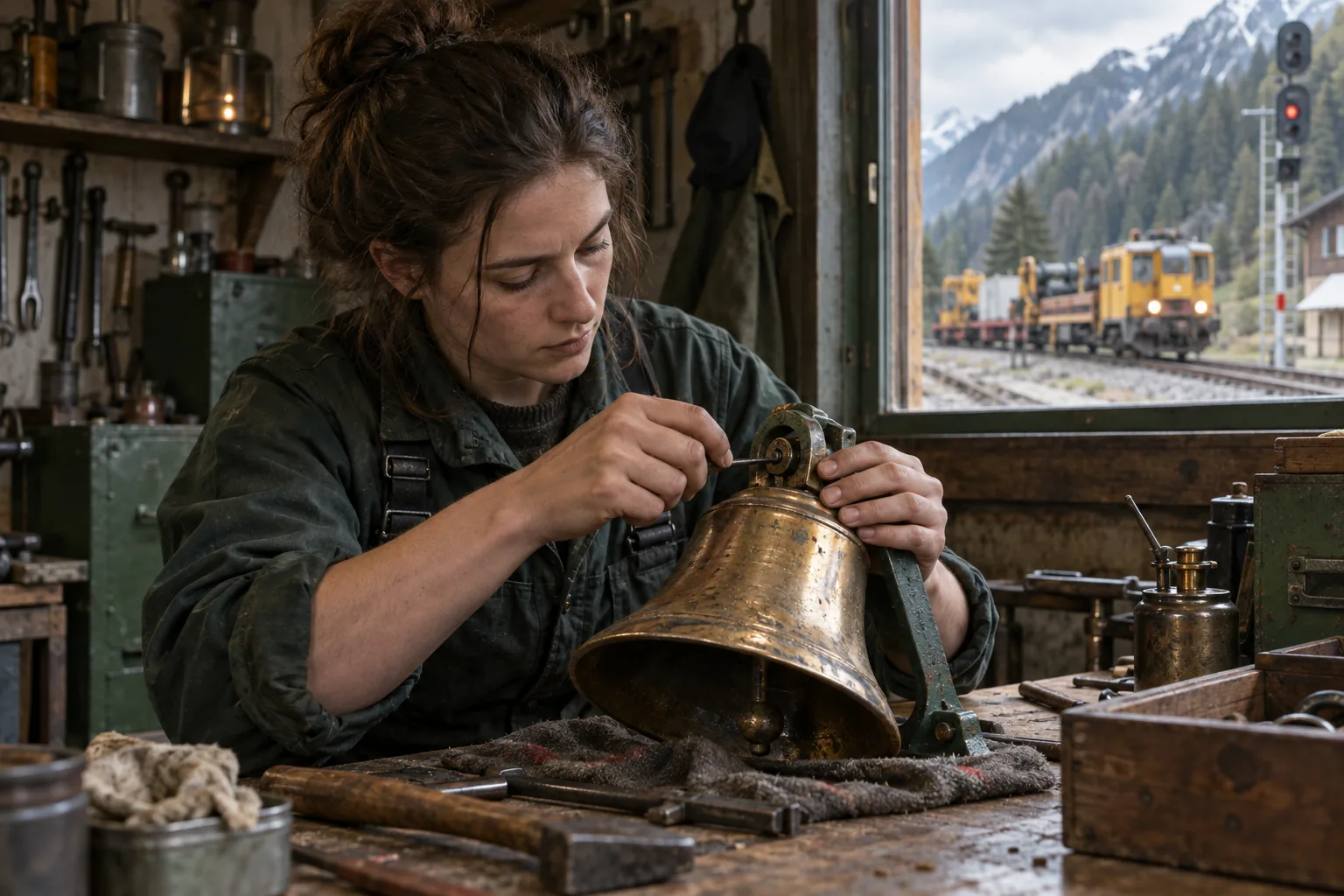
Connect the secondary goal to a causal hinge
The cleanest connection is not a shared symbol but a changed decision. Elin could reopen the line after a routine inspection. Noor's work reveals that a damaged linkage can show a correct signal while the switch itself remains loose. Elin must now halt the train, inspect the mechanism again, and accept a narrower opening window. Remove Noor's line and the main plot loses this obstacle and the knowledge needed to respond. That is a causal hinge readers can observe.
Plot the hinge as a chain of actions, not an explanatory paragraph. Noor tests the bell and hears it sound when the switch is only half locked. She conceals the result for an hour because she wants one more attempt before admitting failure. Elin receives the scheduled train movement request. Noor interrupts and demonstrates the fault with her own hands. Elin orders the train held. Each choice leaves the next person with a different set of options.
A connection can also be relational. Elin has dismissed Noor as inexperienced, which makes Noor reluctant to speak. When Elin listens to the warning, Noor must decide whether to risk her reputation by naming the repair she got wrong. The technical plot and trust subplot meet in a single scene. Their emotional movement is visible because it changes who speaks, who believes, and who gets authority over the dangerous switch.
Prepare the connection: show Noor learning the mechanism and the first repair failing for a reason.
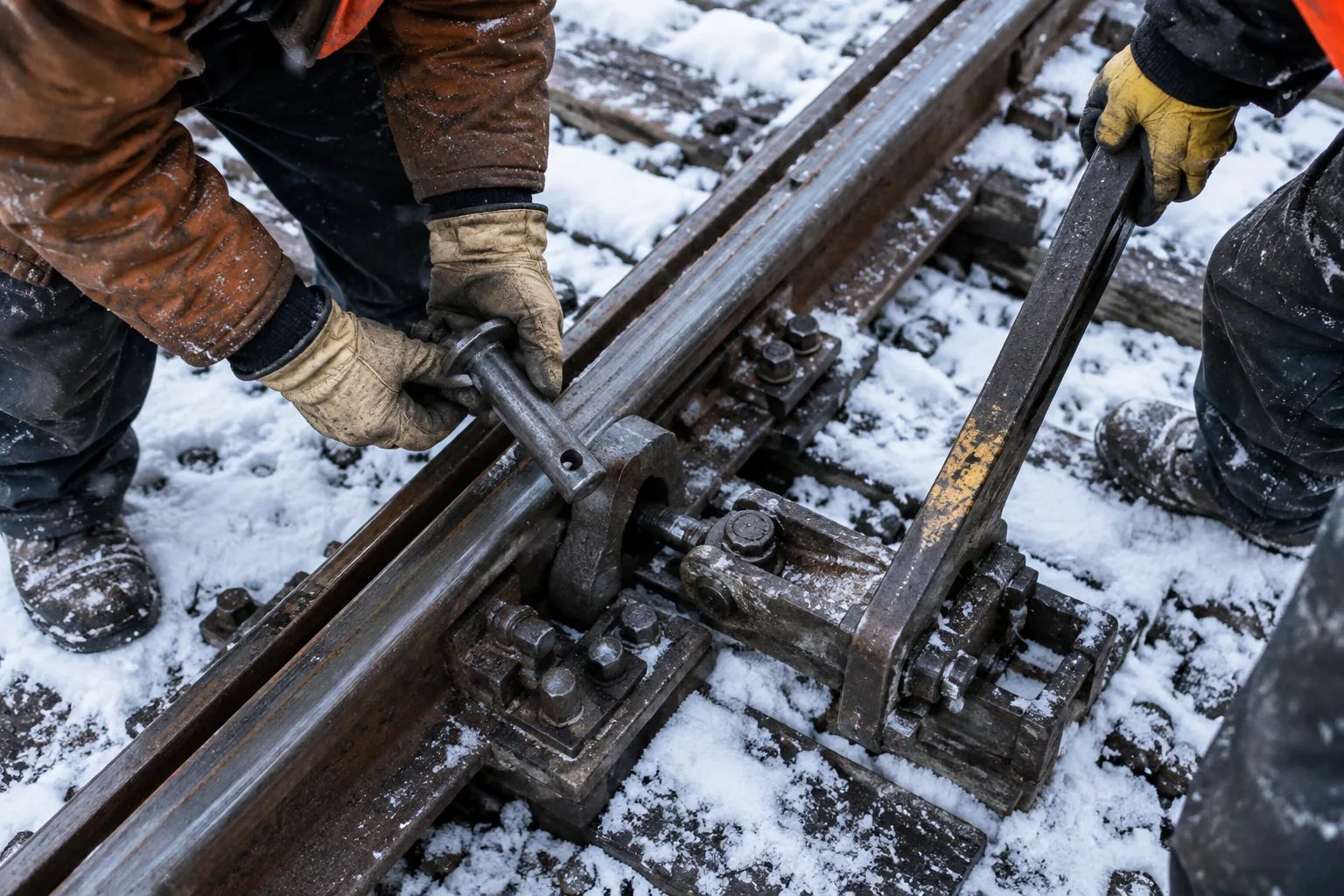
Place crossings where pressure changes
Two threads need not meet in every chapter. First establish the main pressure: snow is coming, the branch line serves isolated villages, and Elin is accountable for signing the route open. Introduce Noor's goal early enough that her choices have time to matter. The first crossing might be small: Elin asks for a signal test, Noor answers too quickly, and a doubtful sound is ignored. A later crossing should change the plan. At the final crossing, both threads affect one irreversible decision.
A simple map uses four columns: main event, secondary event, crossing, and consequence. For the opening, Elin discovers a loose switch while Noor volunteers to test the bell; the crossing is a hurried inspection; the consequence is misplaced confidence. At the midpoint, Noor finds a hidden fracture and conceals it briefly; the consequence is a train approaching under incomplete information. Near the climax, she reports the fault and asks her father about an old repair; the consequence is a safe delay and a new repair plan.
Crossings need no fixed interval. Bring Noor back when her changed condition complicates Elin's immediate task.
If you write from one viewpoint, Noor's thread can remain legible through what Elin sees: a bell taken apart, a hurried answer, a late message, a father waiting outside the cabin. You do not have to switch viewpoint simply to prove the subplot exists. If Noor receives her own viewpoint, give her a distinct problem and agency rather than replaying Elin's scene with different feelings. A viewpoint change should reveal a consequential fact, decision, or limit unavailable in the previous scene.
Balance pace by changing the kind of pressure
A subplot is often said to give the main action breathing room. That can be true, but a pause without development feels like padding. After Elin's demanding inspection, a quiet station scene lets Noor handle the old bell and consider calling her father. The pace slows physically while the moral pressure rises. The reader learns why she withholds help and what that choice might cost. The scene does more than rest the audience before another technical problem.
Use a change in scale rather than a random tonal reset. The main plot is public: a train, a route certificate, villages beyond the pass. Noor's private wish is smaller: to be trusted with the station. Both questions concern responsibility under uncertainty. A quieter scene can illuminate that shared concern while allowing the novel to move between wide landscape and close human attention. If a romantic or comic subplot belongs in a different novel, its pleasant tone alone will not justify its place here.
Watch for a secondary thread that becomes more interesting than the promised story. That is not automatically a flaw. Ask whether the book's real central question has shifted. If readers care most about Noor reconciling with her father, you might revise the premise to make her the protagonist. If the line reopening remains central, reduce repetitive cabin scenes and keep the father relationship where it changes Noor's conduct under the rail deadline. The length of a subplot should follow its causal work, not a preset percentage.
A scene audit can mark whether each scene advances Elin's certification, Noor's responsibility, or both.
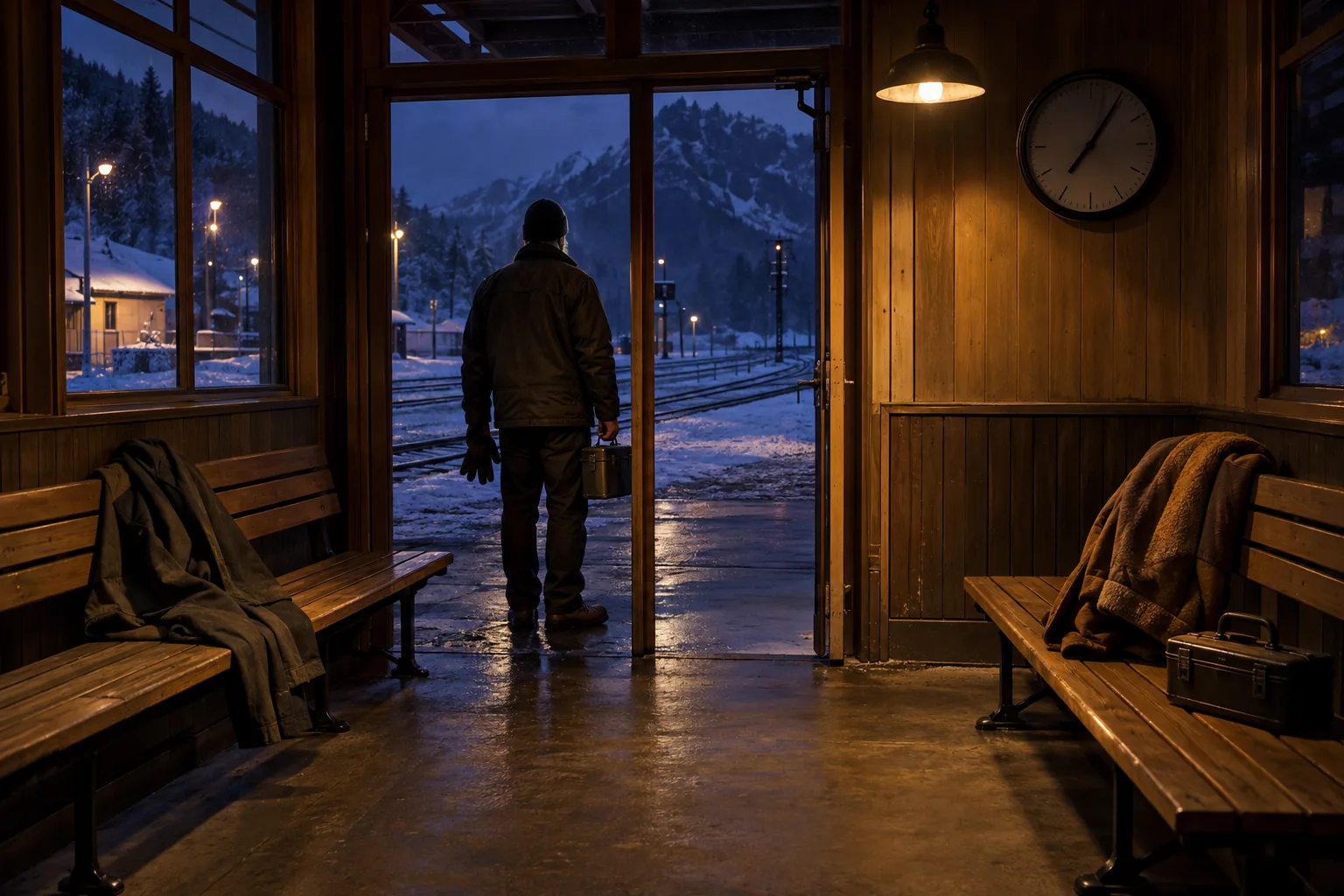
Resolve the subplot with its own cost and a shared outcome
Do not close Noor's story by giving her a job title as a reward for helping Elin. Her central question is whether she can act responsibly when competence requires admitting a limit. The payoff is the call to her father, the honest report to Elin, and the work of retesting the switch. Her father may respect that choice without instantly erasing their disagreement. If she eventually runs the cabin, the reader should believe it follows from changed conduct, not from a convenient vacancy.
The main plot should also absorb the cost. Elin misses the promised opening hour, but she refuses to certify a switch that can misreport its position. Noor's warning and her father's knowledge help them locate the worn coupling; Elin still verifies the repair under proper procedures. The train passes only after a new test.
Give the two resolutions different emotional shapes. Elin's public objective is delayed but achieved. Noor's private objective becomes more complicated: her father sees her judgment, yet she has to live with the hour she concealed the fault. The story can end with a repaired working relationship rather than perfect forgiveness. Secondary stories feel worthwhile when they preserve their own consequences and leave a mark on the protagonist's final situation.
Check that both the line reopening and Noor's new responsibility receive answers supported by actions.

Revise with a removal test and a thread ledger
On a finished draft, temporarily remove every Noor scene and every mention of her bell. Write a summary of the remaining plot. If Elin still discovers the same fault at the same time, makes the same decision, and reaches the same ending, the secondary line is detachable. Repair the causal link by giving Noor a consequential choice or piece of knowledge. Do not simply add a speech in which Elin says the friendship mattered; put that effect into the machinery of the story.
Next make a thread ledger. For each appearance, record Noor's current goal, what she believes, the action she takes, what it costs, and the information Elin has. The ledger catches contradictions such as Elin knowing about the damaged bell before Noor reports it, or Noor asking for her father's advice after she has already solved the old mechanism. It also reveals repeated beats. Two scenes in which Noor hides the same mistake may be one scene unless the second concealment worsens a specific consequence.
Revise the prose after the causal design works. A vivid description cannot replace a missing decision.
Fyrlo can help keep plot, character notes, and chapter context together while you make such a ledger. Its suggestions remain draft material; it cannot determine whether a subplot feels human, guarantee continuity, or certify the technical truth of a railway procedure. You can run the same audit on paper. State what each thread wants, where the choices cross, and what breaks if one thread disappears. Then keep the scenes that make those answers visible to a reader.