Writing tips
Novel climax: make the final choice matter
Build a decisive final confrontation from earlier promises, a costly choice, and visible consequences.
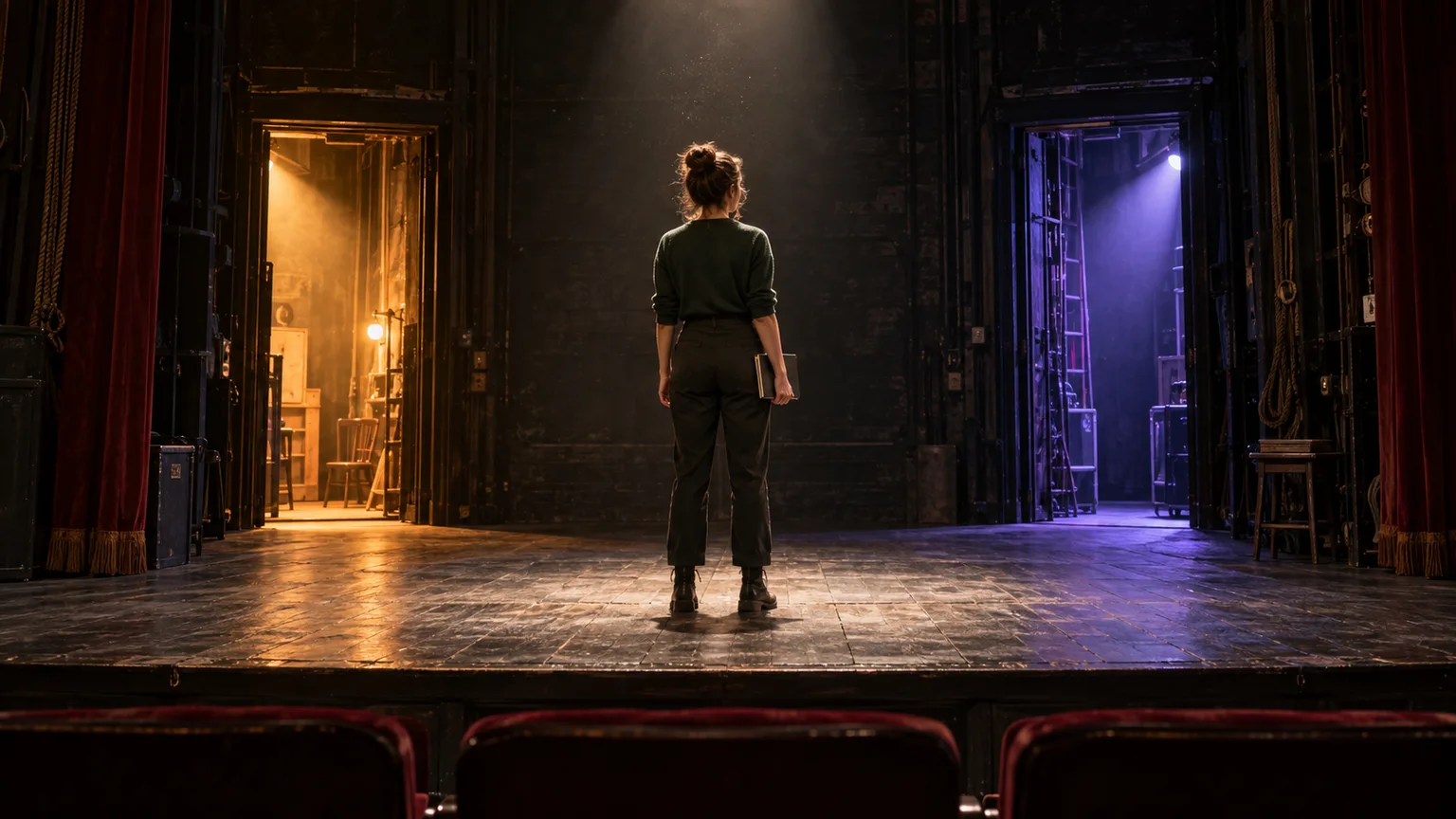
Learning how to write a novel climax is less about making the final scene louder than every earlier scene and more about making its outcome impossible to avoid. Readers have followed a central question, watched attempts fail, and noticed what the protagonist refuses to risk. The climax is where those strands meet in an action that changes the answer. A fire, chase, or revelation can add urgency, but none can replace a decision whose cost the reader understands.
Imagine Mara, who runs a neighborhood theater scheduled for demolition. She has a sealed letter proving that a sponsor knew the demolition was planned before offering a rescue grant. Publishing it could protect the building, but it would expose a friend who trusted her and could end the production her actors need. This invented example lets us test a climax without claiming that every novel needs a stage or a scandal. The method works for a quiet family novel as well as a thriller: identify the promise, make the options collide, dramatize the act, and let the result alter the world.
What a novel climax must answer
Write the central dramatic question in one sentence before you design the confrontation. For Mara it might be: will she preserve the theater without sacrificing the trust that holds its company together? That formulation has two pressures, not just a building to save. If the book has been about loyalty and public responsibility, a last-minute construction accident would be spectacle but not an answer. The climactic scene must decide the conflict the earlier chapters actually made readers care about.
Separate the external outcome from the inner decision. The theater may survive or fall, but Mara must decide whether to reveal the letter. The practical result can be uncertain for several pages; the moral action cannot remain vague. Readers need to see her choose under pressure rather than learn afterward that she made a choice offstage. If another character solves the problem while Mara watches, the promised character arc has no final test.
A climax can occupy one scene or a short sequence. The length follows the number of meaningful changes, not a fixed percentage of the manuscript. Nathan Bransford's discussion of novel climaxes emphasizes conflicting motivations and the answer to what the character most wants. Use that as a diagnostic: if you can swap the protagonist for a stranger and reach the same result, the confrontation has not grown from your novel's particular person.
Build the climax backward from an earned choice
List the three things the final decision requires readers to know: the value of the theater to the neighborhood, the friend's connection to the letter, and the danger of trusting the sponsor. Then locate the earlier scene that proves each one. A speech immediately before the climax cannot replace lived evidence. Readers believe that a choice hurts because they saw what each option protected at a different point in the book.
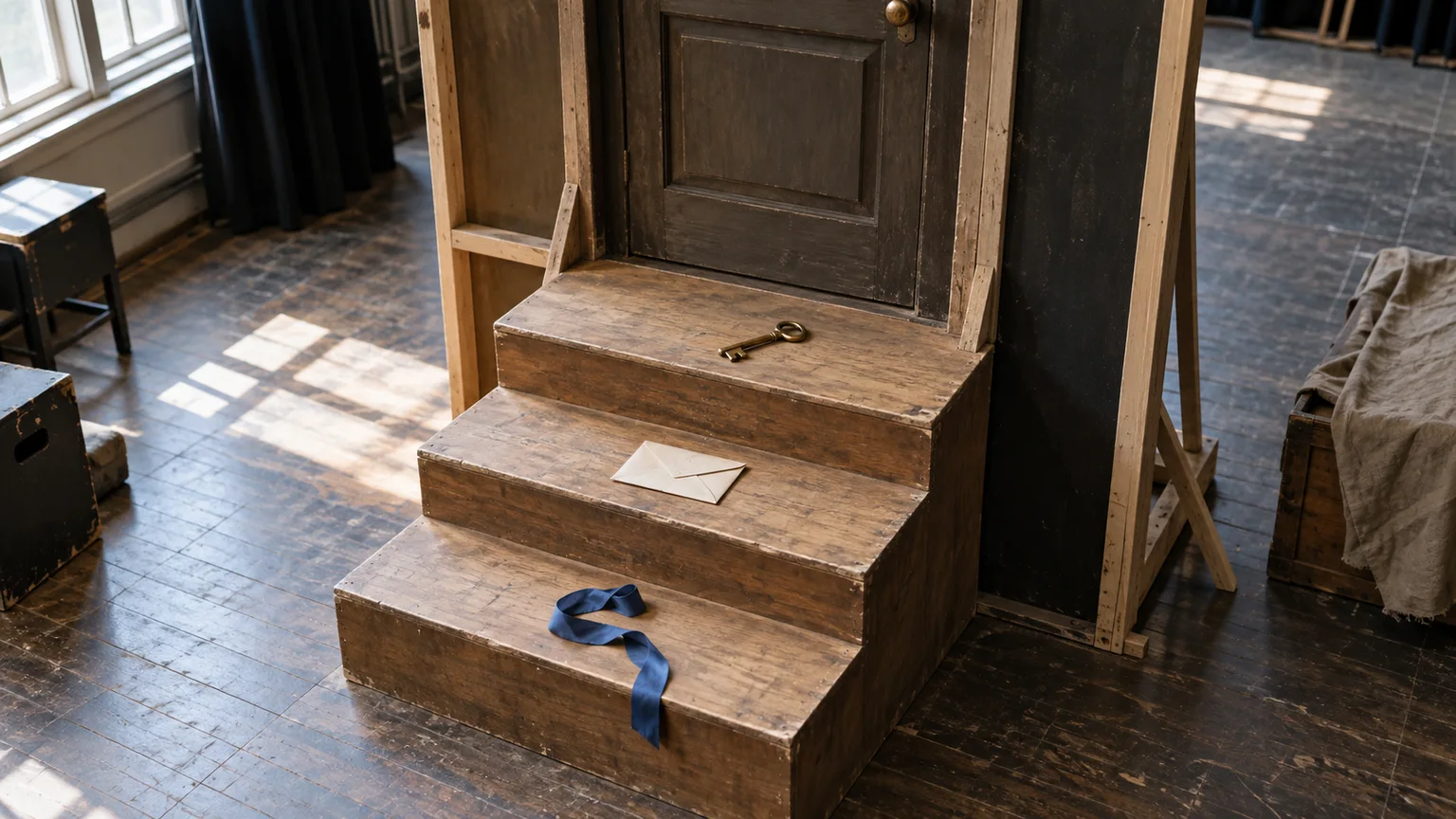
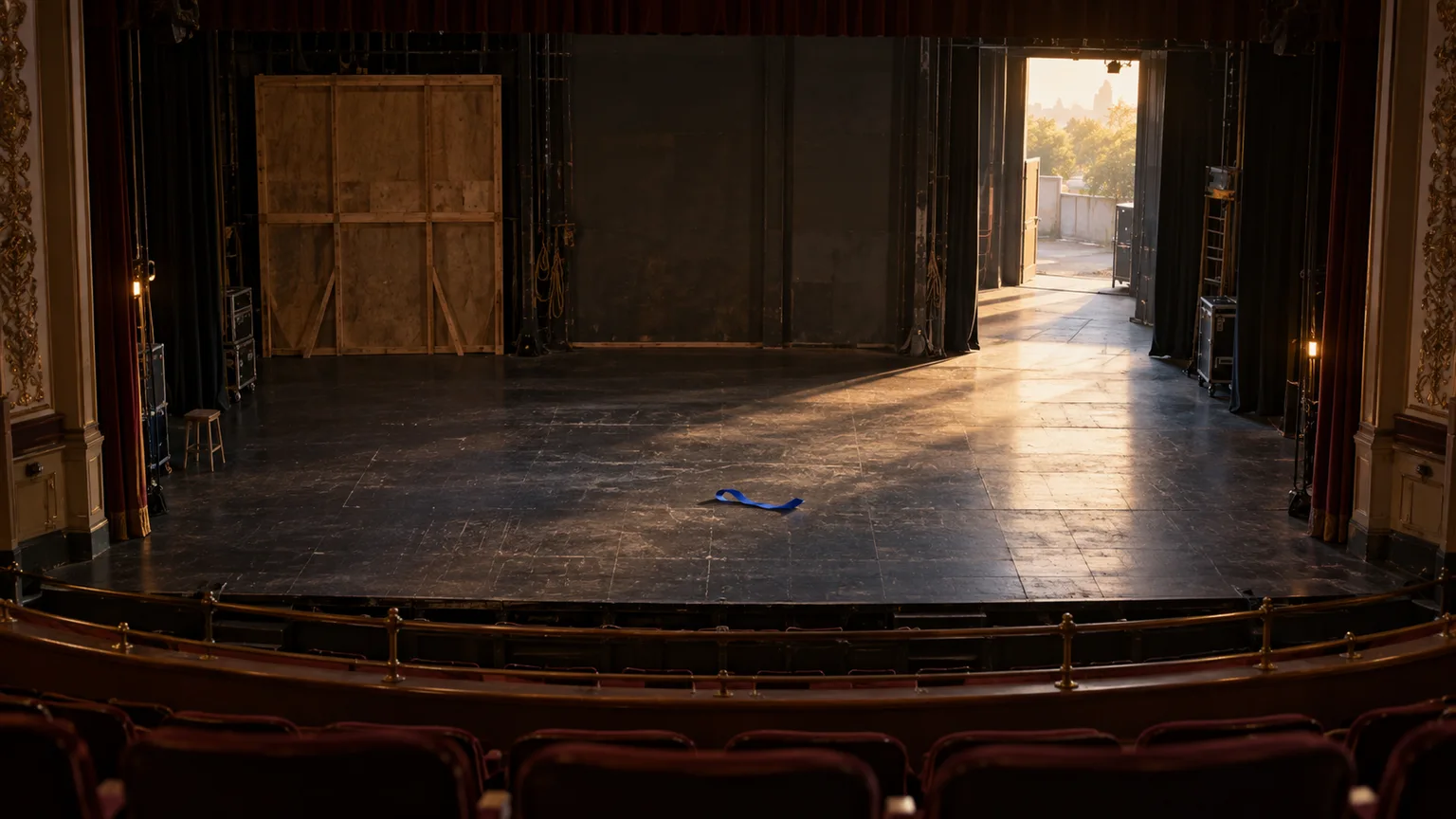
Give important objects a history rather than introducing a convenient solution in the final chapter. Mara's key was handed to her when she took responsibility for the venue. The sealed letter arrived when she could still have asked an easy question. A blue ribbon from the opening performance may remind her of the actors who will lose their home. None of these items has magical power. Their earlier appearances make the later act legible and emotionally specific.
Test the setup with a removal exercise. Remove the letter's first appearance: does the final disclosure now feel like a trick? Remove the scene in which Mara promises to protect her friend: does the choice become too easy? Remove the actors' dependence on the theater: does the public victory feel abstract? Restore only the material that changes the cost of the decision. This backward check is more useful than scattering ominous hints that never affect anyone's behavior.
Escalate by narrowing the options, not by adding noise
A strong run-up changes what the protagonist can still do. Mara first tries to negotiate with the sponsor, then learns that the offer expires before the evening performance. Her friend asks for silence; the actors are already waiting; the council vote begins at dawn. Each beat removes a possible delay or compromise. If she can simply postpone the decision for a week without consequence, the scene does not yet have climactic pressure.
Keep the obstacles causally related. An unexpected storm might darken the theater, but unless it changes access to the letter or the public meeting, it merely adds weather. A sponsor's offer to save the building in exchange for silence directly attacks Mara's values. A friend who admits a partial truth changes what Mara knows. A technician who can transmit the evidence creates an opportunity she must accept or reject. Pressure grows when every new fact alters the same dilemma.
Let the protagonist attempt something before the final choice. Mara can ask the friend to disclose the letter voluntarily. The refusal costs her a relationship and removes the clean solution. She can seek a private guarantee from the sponsor and discover it is unenforceable. These failures are not filler if they clarify why the eventual act is necessary. Avoid endless reversals after the reader already knows what must happen; one sharpened complication often does more than three arbitrary surprises.
The scene guide explains goal, resistance and turn at smaller scale. In a climax those elements must also answer the book's larger question. Check the order of your beats: new information, failed tactic, narrowing choice, action, changed state. If the sequence is only danger followed by greater danger, add a decision that reveals character rather than another hazard.
Make the character's costly action visible
At the decisive moment, place the alternatives in the same physical scene. Mara stands backstage with the letter while the performance begins. She can hand it to a reporter waiting by the side door or carry it back to the sponsor and accept the conditional grant. The friend is present, not merely remembered. The actors' voices come through the curtain. A reader understands the competing obligations because the scene has made them tangible.
The final act should be specific enough to film even when the novel is quiet. Mara opens the envelope, crosses the stage, and reads the relevant line into the public meeting's microphone. Or she refuses to read it, returns the key, and tells the company she cannot buy their future with a lie. Either choice could complete a different version of the story. The author must decide which one follows from her earlier change, then write the bodily action and immediate reaction instead of summarizing the decision afterward.
Do not confuse a sacrifice with an automatically good ending. If Mara exposes the letter, the friend may lose work and the theater may still be lost. If she keeps silent, a relationship may survive while the neighborhood loses trust. The cost matters because it cannot be erased by a conveniently perfect reward on the next page. An earned climax gives the character agency without promising that the world will be fair.
Writer's Digest describes a run-up, moment of truth and aftermath as distinct parts of the climactic movement. That distinction helps with pacing: do not spend every paragraph announcing that a choice is coming. Once Mara acts, let another person respond before explaining what she feels. The reaction shows the choice has entered the world.

Show what changed before you write the final page
The climax is not identical to the ending. Its action answers the core conflict; the following pages let readers experience the new situation. Immediately after Mara speaks, the sponsor withdraws the offer, the friend leaves, and the actors must decide whether to finish the performance. Those reactions prove that her act was not decorative. You do not need a report on every future consequence, but at least one material relationship or condition should be different.
Avoid resetting the story to its earlier state. If the same sponsor returns with a better grant and the friend forgives Mara without a conversation, the novel has taken back its own stakes. A hopeful resolution can still have a cost. The theater might be protected through public action while Mara must rebuild the friendship she broke. A tragic resolution can preserve dignity through a different choice. The aftermath should honor the terms established before the climax.
Use a brief consequence map while revising: what changed externally, what changed between people, and what Mara now believes about herself? Each answer should be traceable to the act we saw. The map is a planning aid, not text to paste into the novel. Let readers infer some changes from behavior: someone hands back a key, an empty seat remains during the curtain call, or a neighbor opens the theater door the next morning.
Revise a weak climax by locating its missing cause
Read the final confrontation once without stopping and write down the first point where you feel unconvinced. If the chosen action seems easy, the earlier chapters may not have shown its price. If the result depends on a new device or document, the setup is missing. If the protagonist suddenly changes beliefs, one earlier failure may need to force that change. Do not respond to every weakness by extending the final scene; sometimes the repair belongs fifty pages earlier.
Now ask a trusted reader what question they expected the book to answer. Do not lead them with your preferred interpretation. If they expected whether Mara would protect the friend while the climax only settles property ownership, the emotional center has drifted. If they can describe the dilemma but cannot identify the moment of decision, stage the act more clearly. Their confusion is evidence about the page, not a verdict on your intention.
A drafting aid such as Fyrlo can keep a premise, character notes and chapter drafts together while you compare an alternative climactic beat. It cannot decide which sacrifice feels truthful to a reader, guarantee originality or prove that the manuscript is ready to publish. You can perform the same audit with cards and a printed draft. The useful discipline is to compare one variable at a time: perhaps Mara speaks publicly in one version and gives the letter to her friend in another, while the rest of the setup stays fixed.