Writing tips
How to write a flashback that changes the story
Choose the right memory, make the time shift clear, and return to a present-day choice that now means something different.
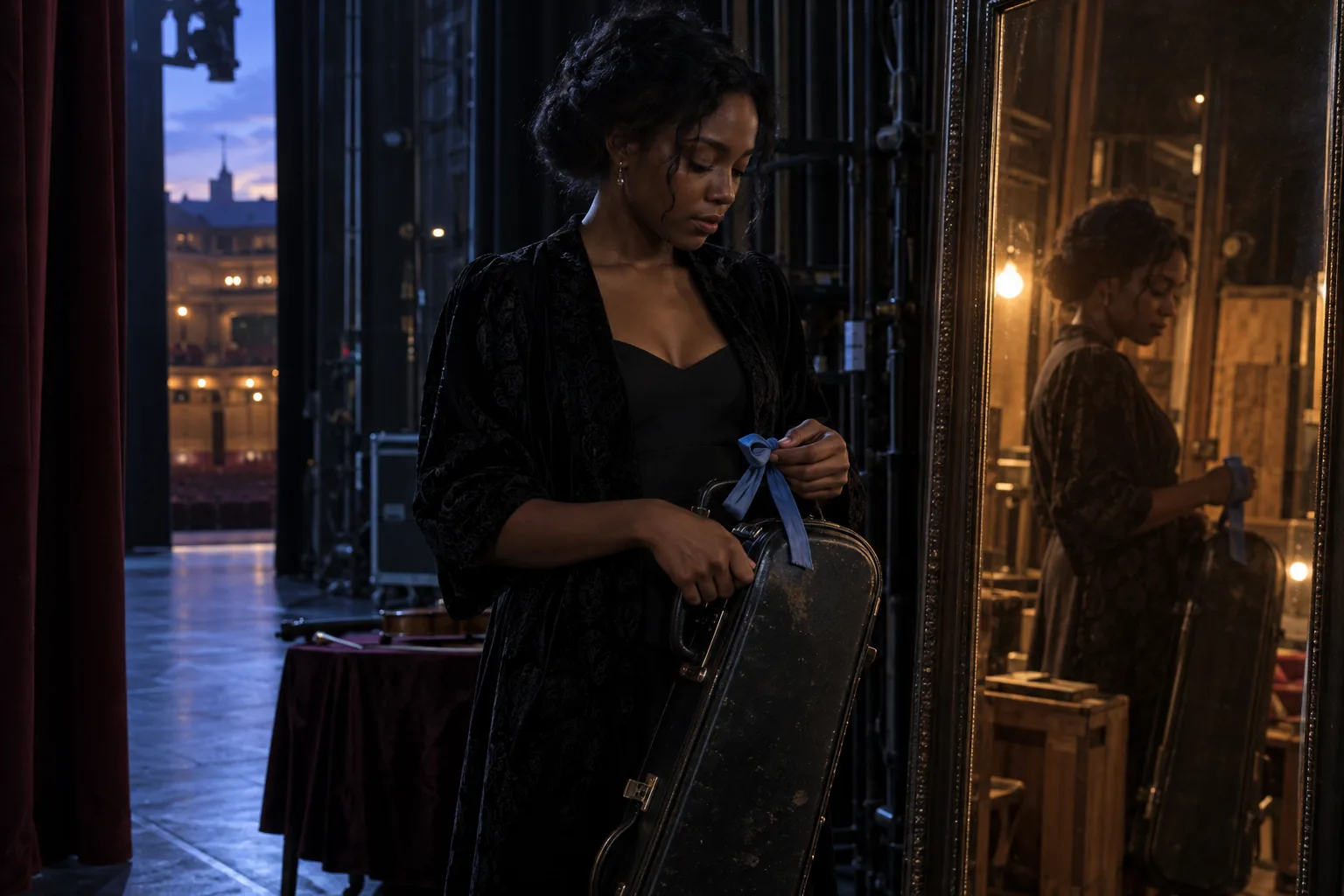
Learning how to write a flashback means deciding what the past must change in the present. A remembered event can reveal an old promise or overturn a belief. It can also interrupt a compelling scene merely to deliver unnecessary background. The difference is a precise purpose and a consequential return.
Imagine a violinist waiting to go onstage. A blue ribbon on her case recalls the rehearsal when she chose a prestigious solo over playing beside a friend. Tonight that friend is in the audience. We will use this example to test whether a flashback belongs, how to orient the reader, and how to revise it without stopping the main story.
Decide whether the past needs a full scene
Before writing the memory, state the current scene's unanswered question. The violinist may be deciding whether to play the solo exactly as planned or change the performance to honor her former partner. Now state the fact the reader needs from the past. Perhaps she once promised that they would perform together and broke that promise when an opportunity appeared. If a single sentence of dialogue can provide everything the present choice needs, a full flashback may be needless. Use a scene when the reader must experience how the promise was made, tested, or broken.
A useful flashback has its own small dramatic movement. Someone wants something, meets resistance, makes or avoids a choice, and leaves a consequence that survives into the current scene. The old rehearsal should not be a catalogue of childhood lessons, teachers, auditions, and friendships. It should isolate the moment the violinist understood the cost of accepting the solo and accepted it anyway. That lets the reader judge her action rather than receive the narrator's verdict on her personality.
Try the removal test. Read the present scene with the memory deleted. If the decision still feels equally clear and emotionally complete, compress or cut the flashback. If the reader understands the facts but not the painful contradiction between what the character said and did, the remembered scene may earn its space. You can also delay it: the first chapter does not need every explanation. Place the past where it sharpens a live question, not where the writer first feels obliged to supply background.
Choose a trigger tied to the present action
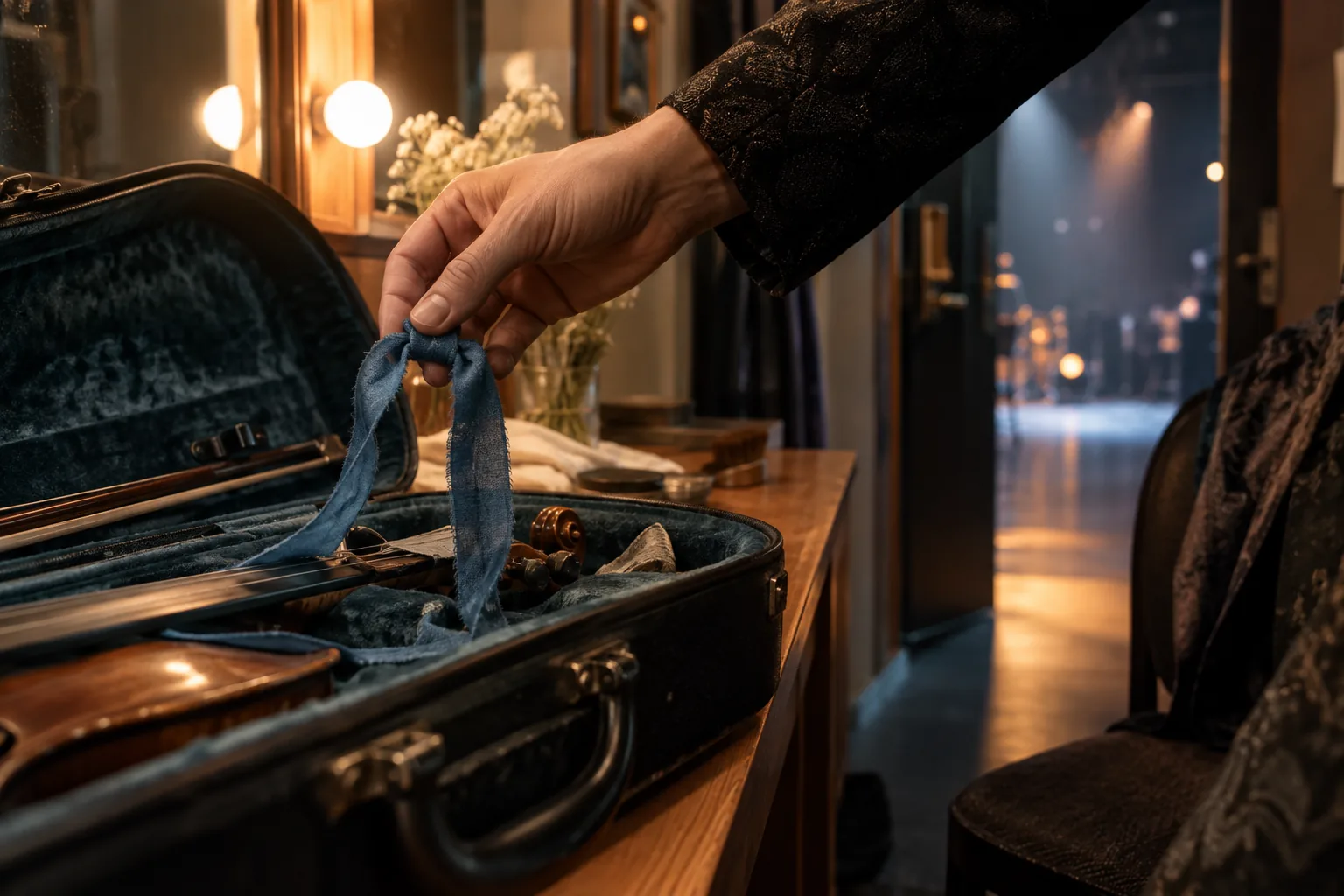
Give the memory a concrete entry point. The blue ribbon catches on the case latch as the stage manager calls the violinist's name. Its texture and the immediate pressure of the call belong to the current scene. A smell, sound, place, gesture, or repeated phrase can work in the same way. The trigger should be something this person would notice now, not a convenient object placed only so the author can travel backward.
Keep the present question alive during the transition. She has only minutes before the concert begins, and someone is waiting for an answer. If the remembered event has no relationship to that pressure, readers may experience it as an interruption. A meaningful trigger can carry a contradiction: the ribbon once marked solidarity, but now it decorates a solo case. The reader follows the object into the past because its changed meaning matters to tonight's decision.
Do not use an identical entry device every time. A novel with several memories can sometimes enter through conversation, sometimes through a deliberate search for evidence, and sometimes through an unavoidable place. A character need not literally drift into a trance. Often one precise sentence connecting the present object to a dated earlier situation is enough. If you need a larger detour, a scene break may help; it does not replace the obligation to establish when and where the new scene takes place.
Make the time shift legible without overexplaining it
Orient the reader in the first few lines of the remembered scene. A phrase such as 'Three years earlier, the rehearsal room was still being renovated' establishes time and place quickly. Then anchor who is present and what is at stake. Do not make the reader decode ten paragraphs before discovering that the action is in the past. A time shift can be elegant and unmistakable at once.
Choose grammatical tense according to the tense of the main narrative. In a present-tense story, simple past can clearly distinguish the memory. In a past-tense story, past perfect can signal the initial step backward: she had tied the ribbon around the case before the audition. Once the shift is established, many writers move into ordinary past tense for a longer scene rather than repeating 'had' in every sentence. The exact pattern depends on voice and local clarity; the reader should never have to stop and reconstruct the calendar.
Format supports meaning but cannot create it by itself. A blank line or section break may be useful for a substantial shift. Italics can distinguish a brief intrusive thought, but pages of italicized prose often become tiring and do not tell us why the memory belongs. Date headings are suitable in some multi-timeline books, yet one isolated flashback rarely needs a ceremonial label. Test the transition with a reader who has not seen your outline and ask when they realized the scene had changed.
Write the remembered event as a consequential choice
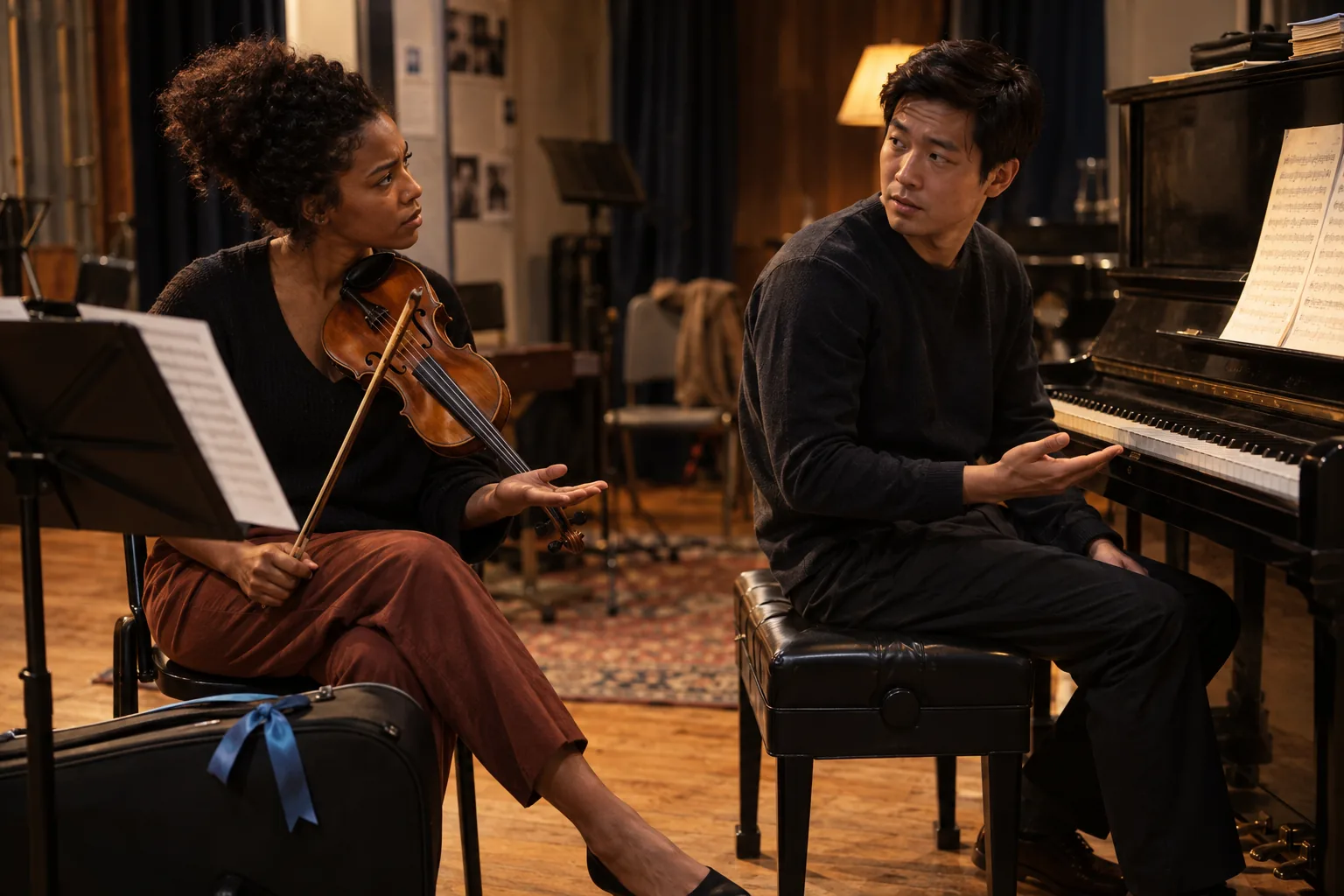
Start near the turning point rather than at the beginning of the character's life. In the old rehearsal, the pianist asks whether they are still auditioning as a duo. The violinist already has an invitation to audition alone. She might conceal the letter, offer a half promise, or tell the truth and risk losing the partnership. Let the other musician want something specific too. A memory becomes a scene when two intentions collide in time, not when the narrator supplies a polished summary of what everyone later felt.
Select details that carry pressure. The blue ribbon might be tied around the shared music folder; the pianist may keep a place for her score even after she declines. A squeaking floorboard, an unfinished phrase, or a hand on the case latch can give the moment a physical location. Avoid packing the scene with a complete biography. Background should enter only when it changes how this exchange is understood. One exact image may do more work than a paragraph announcing that she was ambitious and afraid.
Let the old choice remain complicated. Perhaps the solo was an essential opportunity and the duo could not agree on a program. Perhaps the violinist behaved badly without becoming a villain. A flashback should reveal evidence, not force the reader to accept a verdict. What matters is that the decision created an unfinished relationship with the present performance. When the remembered scene ends, the reader should be able to name what the violinist knows now, what she once hid, and what repeating the old choice would cost.
Return to the present at the point of pressure
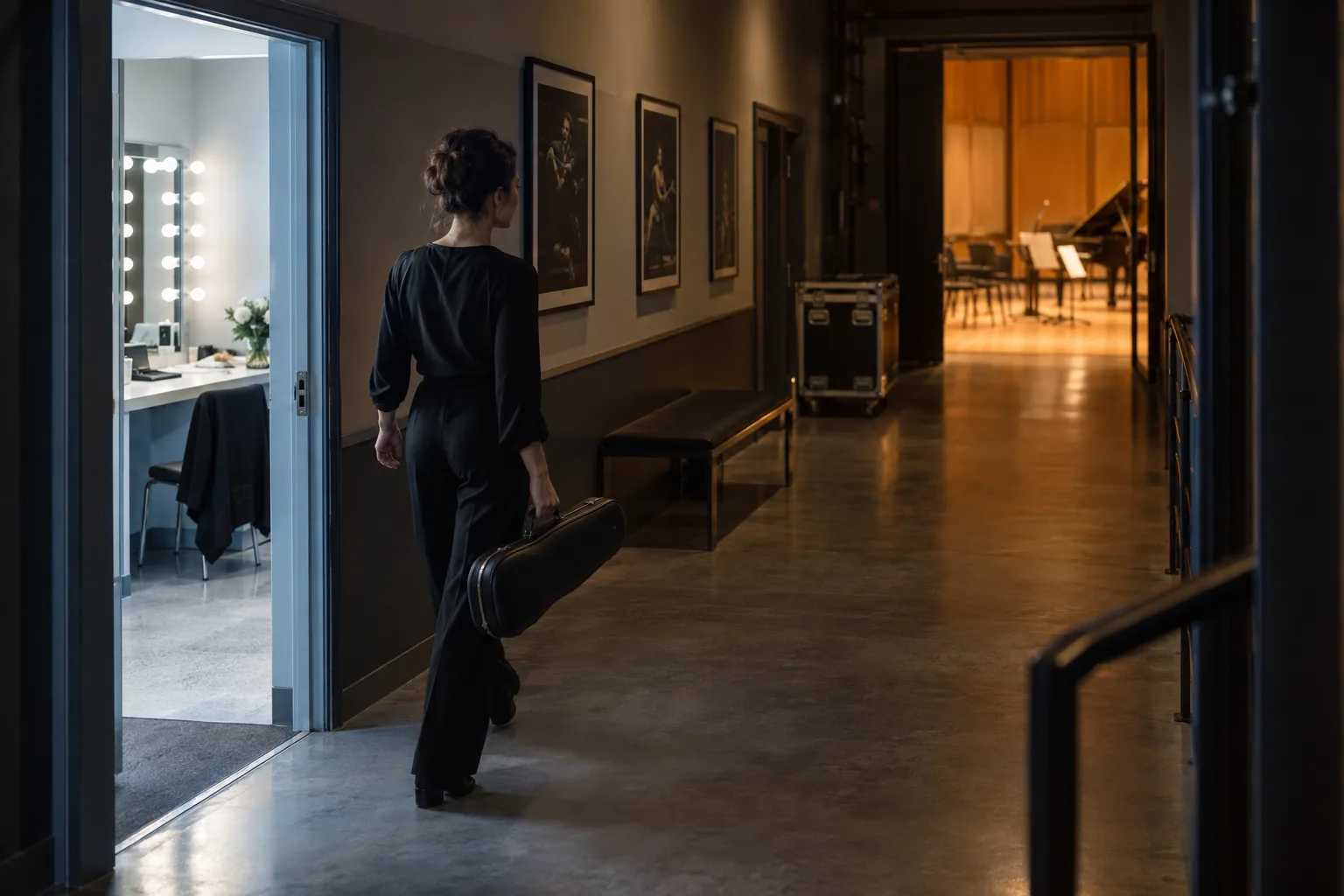
Plan the exit before polishing the entry. The stage manager calls again; the violinist's fingers are still on the ribbon. Those present-day cues re-establish the location, time, and unfinished task. The return should not merely announce that she remembered something. It should change how she approaches the next action. She might ask to speak to her former partner before going onstage, alter a dedication, or decide to play the solo and accept that an apology cannot be staged for an audience.
A flashback that explains an emotion but changes nothing can leave the main plot waiting in the wings. Compare the violinist's available choices before and after the memory. The external options may be identical, yet their meanings should differ: playing as planned now means consciously repeating a pattern; reaching out may demand an honest account rather than a sentimental gesture. This is how a story moves forward while briefly looking backward.
Avoid a neat moral that erases conflict. Remembering the past does not guarantee forgiveness, and a public performance cannot repair every private harm. Let the present scene carry its own resistance. The friend may refuse to speak. The program may not be changeable. The violinist may have only a few seconds to decide how to enter. The memory has done its work if it intensifies a decision the story was already approaching, not if it settles every relationship for the character.
Revise for chronology, proportion, and momentum
Make a two-column timeline: events as they occurred and events as the reader encounters them. Record the ages of the characters, who knew about the solo invitation, when the ribbon changed hands, and what was possible at each rehearsal. This catches accidental contradictions. It also reveals deliberate withholding. Withholding can build curiosity when the present story poses a clear question; it becomes unfair when the viewpoint character silently knows the answer and the narration hides it only to manufacture a twist.
Check proportion. The flashback should be long enough to let the old decision register and short enough that readers still care about the unfinished concert. There is no universal page limit. A brief recalled exchange might need half a page; a pivotal betrayal may deserve a whole chapter. If several long memories develop their own conflicts, consider whether the book is actually built on two timelines. If the same information can be conveyed through a present conversation or a single image, choose the form that keeps the pressure strongest.
Read the transition, memory, and return as one unit. Mark the question before the shift, the change inside the past scene, and the action after it. If one part is missing, revise structure before tuning sentences. Fyrlo can keep a chapter plan and character notes together while you compare where a memory belongs, but a paper timeline works just as well. The judgment is yours: software cannot determine whether the past has earned this much of the reader's attention.
Ask a reader where they lost track of time or became impatient for the present story. Add a concrete cue or compress repeated facts. Keep the details that make the earlier moment specific.