Fiction craft
Chapter Epigraphs That Earn Their Place
Choose, write and test a short passage before a chapter.
A chapter epigraph is a short passage set apart before a chapter begins. It might be a quotation, a line from a letter, or an excerpt from a document that exists only in your novel. Its position gives it an unusual job: it reaches readers before they know which details in the chapter will matter. Use it to change how they pay attention. If it only sounds impressive or explains a fact the chapter should show, the chapter is probably stronger without it.
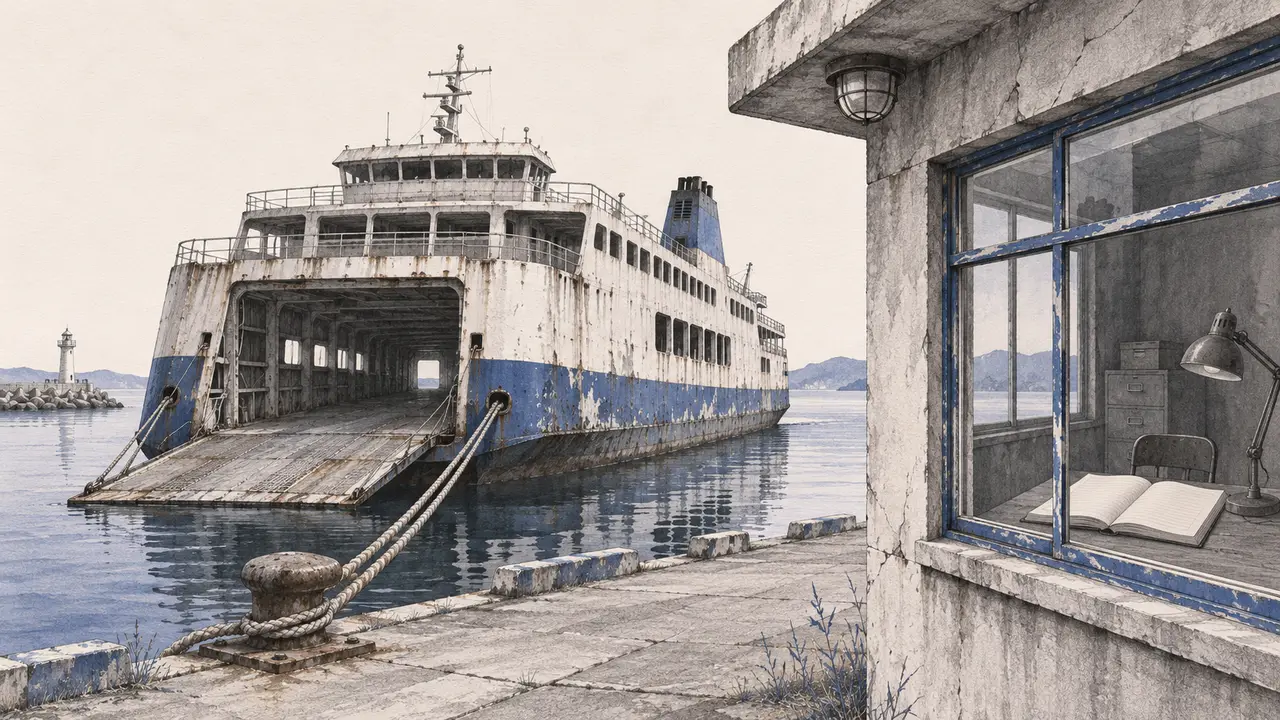
Imagine a novel about a ferry that has been taken out of service. Mara returns to the harbor to sort her late father's papers and discovers that an old cancellation mattered more than anyone admitted. The invented harbor register that heads three chapters can change how a reader understands that night. It should not be the only place the reader learns what happened. That distinction is the working test for every example below.
Decide what the chapter epigraph should change
Read the first two pages without an epigraph. What do you expect to happen? Whom do you trust? Which object would you remember an hour later? Write down one answer. Then add a candidate epigraph and read the opening again. If the answer changes in a way that helps the story, you have found a reason to keep it. If the two readings are identical, being fond of the quotation is not enough.
There are several useful changes to look for. An official statement can make an ordinary act seem suspicious. An old proverb can give an unfamiliar custom emotional weight before anyone describes it. A scrap of testimony can make readers notice the person whom a scene otherwise leaves in the background. Those are different jobs. For a first draft, choose one. Asking a single line to explain the setting, advertise the theme and hint at the ending usually makes it sound like the novelist is speaking through a borrowed voice.
If you already draft in Fyrlo, save the two versions separately so the test changes only the epigraph, not the opening scene. Compare them against the same reader question; the judgment about what belongs is still yours.
Give the invented source an ordinary purpose
Start with the person who would have written the document, not the sentence you want to quote. A harbor clerk records departures to account for the boat and its crew. A letter writer might want a reply. A ferry mechanic's notes might tell the next shift what to inspect. Each writer has a reason to mention some things and leave others out. That selective attention makes the epigraph sound like something that would exist even if there were no novel.
For Mara's first chapter, try this original example: “Evening crossing: deferred. Ramp left ready.” A clerk would have a practical reason to note the ramp. The word “deferred” also implies that a later departure was expected. As Mara steps onto the disused ramp in the present day, readers may wonder what turned a delay into a cancellation. The epigraph makes a promise of inquiry, not a promise that the explanation will be simple.
Write down who could see the document, when it was created and whether it could have been changed later. You need not explain that history to readers. It helps you avoid a source that somehow knows every character's private motives. If you use an invented archive, use an attribution that belongs to the fictional world. Don't borrow the name of a real institution to make invented material look authentic.
Let the scene carry the evidence
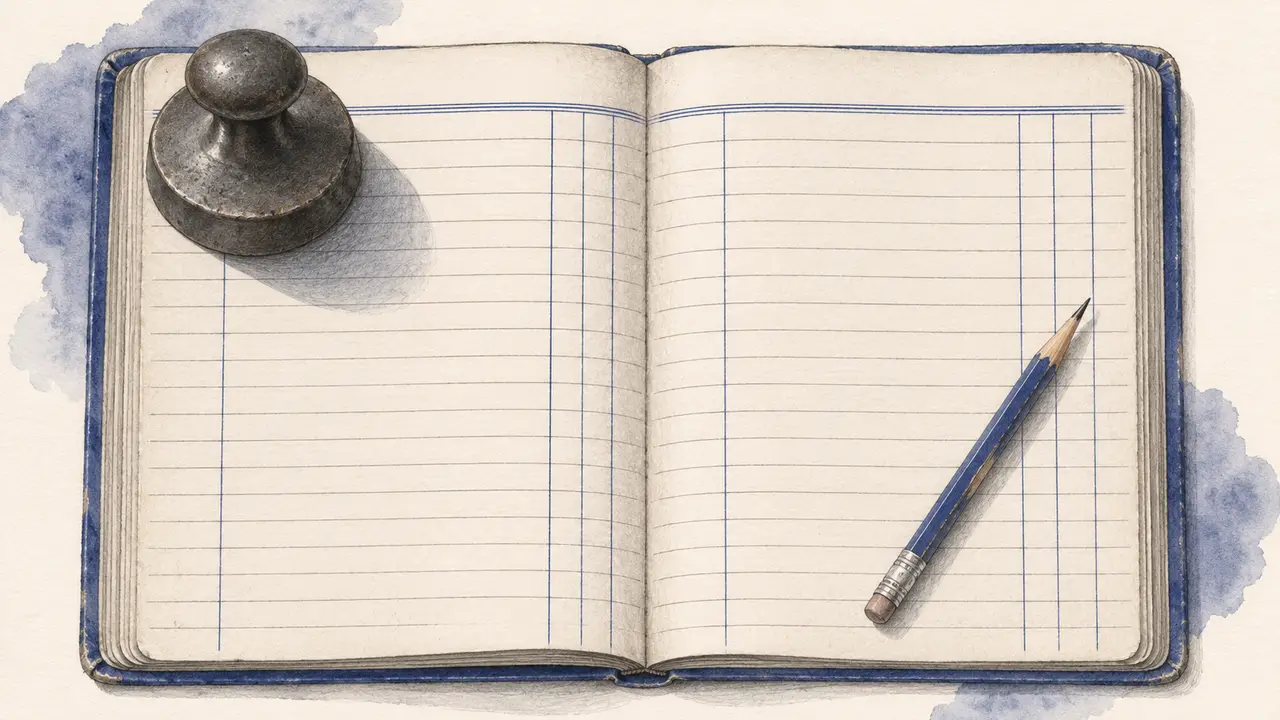
In the second chapter, try another original entry: “Enter only journeys begun. Leave refused boarding to the office.” This tells readers what the register fails to count. It does not tell them who was refused, who made the decision or whether the refusal was unusual. Give those facts to the scene. For instance, Mara finds a pile of unused tickets, then hears a former deckhand describe a woman waiting beside the barrier. Now there is a reason to ask who she was and whether anyone wrote down her name.
Remove the epigraph and ask a fresh reader what happened. They should still be able to tell you that the register is incomplete and that someone was turned away, if the chapter depends on both facts. With the epigraph restored, the refusal may feel less like an isolated oversight and more like an institutional habit. That difference in interpretation is worth having. A difference in basic comprehension is a sign that the chapter needs revision.
Keep the same distinction if your epigraph points forward. If the wording identifies the culprit in a mystery before anyone enters the room, it removes a question the scene is about to ask. A better line makes several explanations plausible. For the ferry, a rule about what to record points at the log's limitations without telling us whether the clerk followed orders willingly, tried to warn someone or never saw what happened at the gate.
Make the sequence do work that one quote cannot
Three entries from the same book can build a pattern. The first sounds routine. The second lets the reader see the blind spot behind that routine. The third might be the shortest: “Authority to resume service: ______.” The gap becomes meaningful because readers have already learned what sort of record this is and which decisions it usually attributes. If you begin with the blank, it may look like a bit of typography and nothing more.
Don't put a blank line in an epigraph unless the way the record is presented makes the gap legible. An empty area might disappear on a narrow screen or in an audio edition. A transcriber could write “no name entered,” as long as the book makes clear that this is an observation about the source and not an original line from the clerk. Test the meaning in plain text. The reader should not have to see a facsimile to understand why someone is missing.
It can also help to map where the book stops using the register. If Mara finally obtains a witness account, dropping the official epigraph from that chapter may mark a genuine shift in whose evidence matters. If you established an epigraph at every chapter boundary, check that the absence feels deliberate. A new section or a clear turn in the story can make the change easier to read than an isolated missing entry.
Revise the quotation and the chapter opening separately
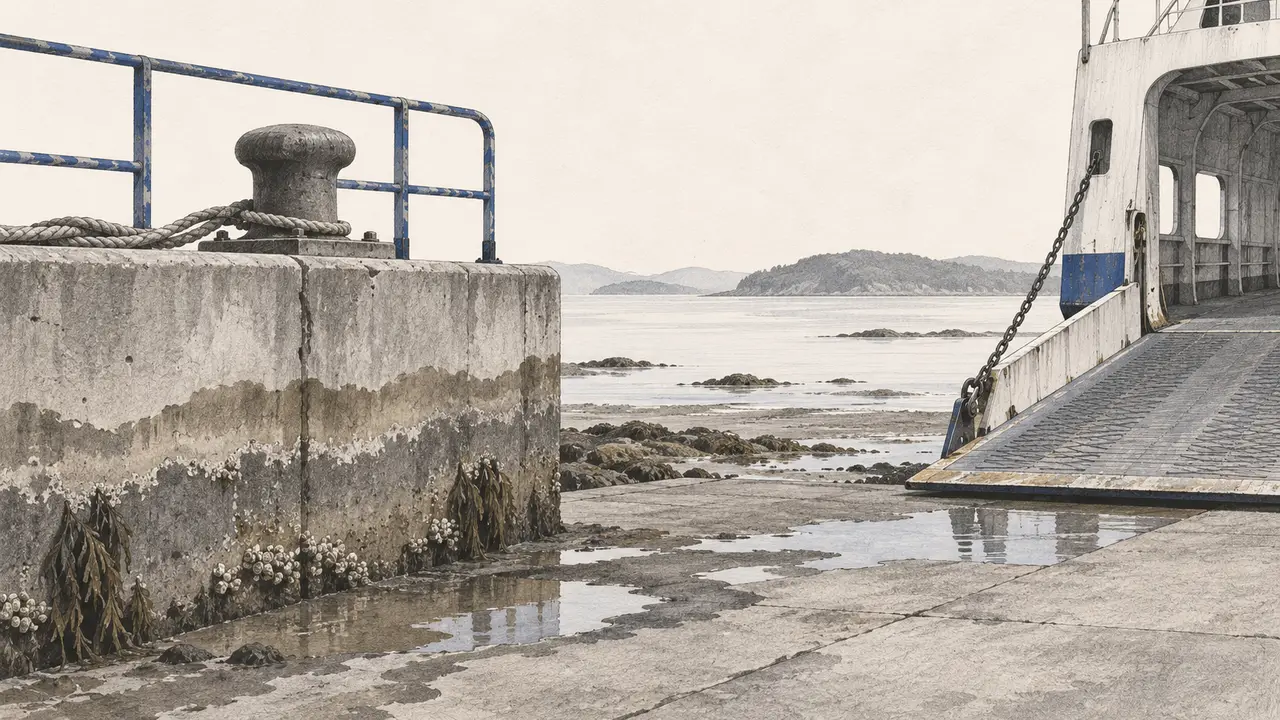
Read the epigraph aloud, then pause and read the first paragraph. If both describe the same water, weather and deserted ramp, decide which one should carry the image. The clerk might record a delay, while Mara notices a fresh scrape on the railing. The two details can coexist because one belongs to a past record and the other to the present scene. If the two passages merely repeat the same image, the opening loses time before it starts.
Try moving the epigraph two chapters earlier and two later. If it seems equally suitable everywhere, it may belong at the beginning of the book, or nowhere. Then remove its attribution and ask whether the voice still sounds like the source you chose. A register rarely sounds like a love letter. A memo written for a supervisor may avoid a word a worker uses casually. Keep the shortest phrase that reveals that difference without asking readers to decipher a page of invented bureaucracy.
An outside quotation poses a different editorial question from a passage you write yourself. Check its wording and attribution against the actual source, not an image or quotation list. If you plan to publish and are unsure about permissions, have the relevant publisher or a qualified professional review the use rather than assuming that a short passage is automatically safe. An original, clearly fictional excerpt can solve the same craft problem without asking a real quotation to fit a scene it was never written for.
Ask for two readings, not a verdict
Give one reader the chapter with the epigraph and one the chapter without it. Ask each person, before they turn the page, what they think the chapter is inviting them to look for. Afterward, ask which part of the scene changed that expectation. A reader who says the epigraph was beautiful has given you a reaction but not yet a diagnosis. A reader who says it made them doubt the completeness of the register has told you exactly what the line did.
If you're working alone, print both versions and set them aside. Return first to the version without the epigraph. Mark what the scene can communicate on its own. Only then bring back the line. The ferry story should still have a clerk, a refusal and a decision someone chose not to document. Keep the quotation only if it makes one of those details worth looking at twice.