
Fiction craft
Planting clues in a mystery readers can solve
Build evidence that readers can see, misread for a reason, and put together before the reveal.

Planting clues in a mystery is about giving the reader a fair chance, not making every reader guess correctly. An observation can be plain and its meaning uncertain. That difference gives you room to build suspicion, let someone make a reasonable mistake and still write a reveal that can be checked against the page. Start with an event that really happened in your fictional world, then decide which pieces of it can reach the reader through action, description or testimony.
For a small practice case, imagine that a brass compass vanishes from a mineral museum just before a private tour. Lena, the curator, sees the empty pedestal. Arun, the technician, moved the compass into a cart when the pedestal wobbled; he meant to tell Lena but was called away. The story begins with the appearance of a theft. The solution is an undocumented move, not an elaborate crime. All people and events in this example are invented.
Start planting clues in a mystery with a true account
Write the answer as a short sequence before writing the investigation. Arun notices the plinth wobble while checking the display. He puts the compass inside the padded compartment of a transport cart, wheels it into a nearby alcove and leaves when a colleague calls him. The gallery remains open, but the public is not yet inside. Lena arrives later. Each step creates a different question: who could reach the compass, why would someone move it, and where could it go without being carried through reception?
Mark which facts your ending must establish. If the reveal requires the compass to have moved by cart, a witness who merely saw Arun nearby does not prove enough. A witness who saw him wheel the cart shows a route, but not what was inside. Separate what you need to prove from what you want a character to suspect. You may discover that your answer relies on a coincidence, an unexplained decision or a mechanism introduced too late. Fix that underneath the story before making the clue harder to notice.
Make a clue ledger with three separate statements
For each clue, write the observation, the first plausible reading and the eventual meaning. The observation is that there is an orange fiber caught on a low corner of the plinth. Lena initially thinks it came from a visitor’s coat; the eventual explanation is that it came from the cloth wrapped around a cart caster. Those are different statements. In the draft, she can consider the coat, but the narrator should not quietly certify it as the fiber’s origin.
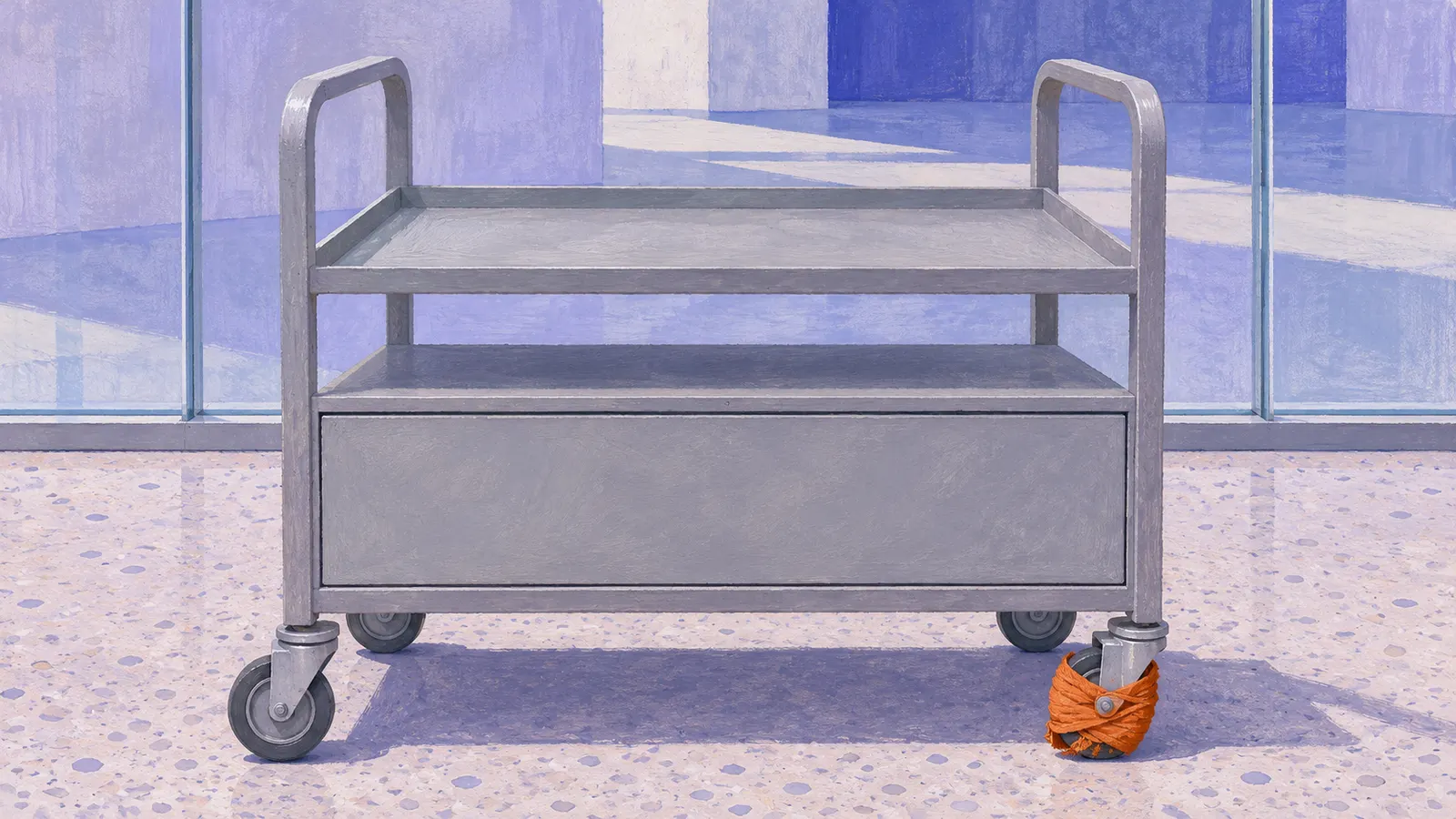
Give every ledger entry a scene location and a person who can actually observe the detail. Note what needs to be shown later for the inference to be fair. An orange thread alone cannot identify a particular cart if the museum uses orange cloth everywhere. In this example a wheel has a visibly torn strip, and a colleague says Arun wrapped it that morning to stop it rattling. That combination gives Lena a direction to test without treating a color match as conclusive proof.

Give the detail a reason to be in the scene
A clue should belong to the action in which it appears. Lena might crouch to steady the pedestal while explaining to a colleague why the gallery cannot reopen yet. That gives her a natural view of the low corner. A colleague then asks her whether to cancel the tour. The attention moves to an immediate practical choice, while the fiber remains visible in the text. Do not give the clue three ornate sentences unless the character has a reason to spend that time on it.
On his own site, novelist Jeffrey Archer describes using the following sentence to draw attention away from an honestly presented clue. Treat that as one option, not a formula for every scene. A reader can notice the fiber immediately and still wonder why it matters. If the story only works when nobody remembers the observation, the clue is doing too much by itself. Make it compatible with at least one ordinary explanation until further evidence changes the balance.
Use distinct evidence, not several versions of one clue
Split the work between details that answer different questions. A clean circle in the dust says where the compass used to sit. The unstable plinth supplies a possible reason to move it. The cart wheel and the torn cloth suggest a means of moving it. A colleague who saw the cart go toward the alcove gives Lena a destination. Each detail has its own modest job. Together they are useful because one is not just a more dramatic restatement of another.
Ask what each item would mean if a different explanation were true. A thief could use the cart too, so the cart cannot establish good intent. Arun can explain his choice, and Lena can verify that the object is inside the padded compartment, but she should not announce his motive before hearing it. A convincing explanation need not make every clue point at the answer from the outset. It should account for the observed facts better than the alternatives once they are tested.
Make the false lead a real fact with a wrong interpretation
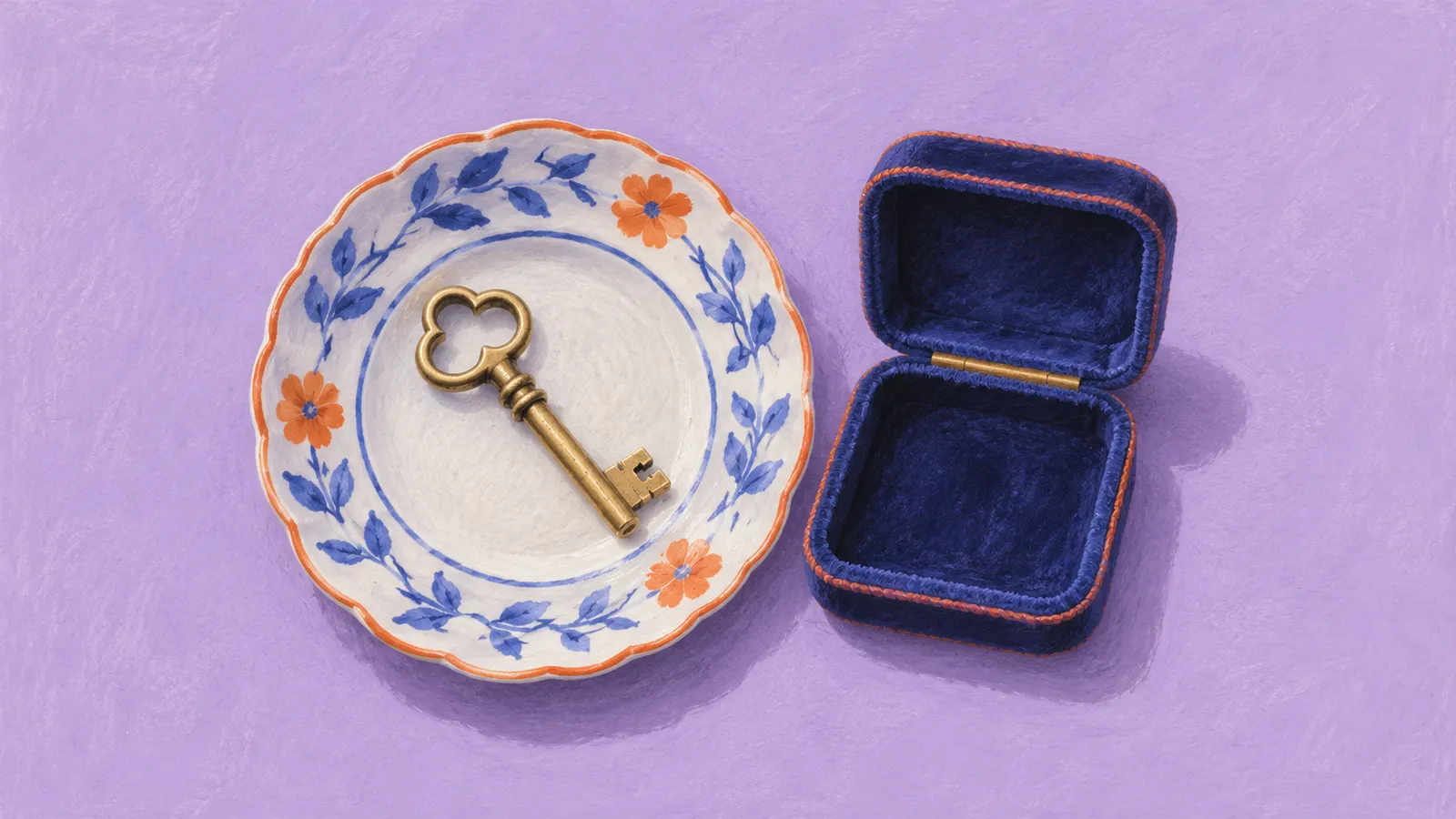
Suppose an unused key turns up at reception. Lena thinks it belongs to a cabinet where the compass might have been hidden. A colleague then tries it in the cabinet lock while Lena watches; it does not fit. Later the receptionist explains that the key was left for a delivery driver who needed a storage locker. The key exists, the wrong inference was reasonable, and the evidence that disproves it appears in the story rather than in a last-minute assurance.
A false lead should do more than send the investigator down a corridor. The test can cost Lena time, upset a colleague whose routine she interrupts, or show her that she has been assuming the compass was hidden rather than secured. A wrong guess can change how she approaches the right one. If the key never leads to an action or a changed understanding, cut it. Readers can handle a wrong turn more readily when they understand why the character took it and what they learned by returning.
Track who knows what before the reveal
If you already draft in Fyrlo, bring only the accepted observations and Lena’s current knowledge into the next chapter brief. Ask for a scene in which she checks the cart without assuming its contents. Compare that draft with your ledger and reject any invented evidence that changes the answer. You can do the same comparison on paper; the tool does not verify the logic for you.
After each scene, write one line for the reader and one for Lena. When the colleague says the cart rolled toward the alcove, both can know that a cart took that route. Neither knows whether it carried the compass. Arun knows where the compass is, but that knowledge cannot pass to Lena until he tells her or she finds it. Keep facts separate from guesses, even in your planning notes. Otherwise, on a later revision, a character may act on an explanation that exists only in your outline.
If you switch viewpoints, check the promise each viewpoint makes. You can stay with Lena and leave Arun offstage until she meets him. If you put the reader inside Arun’s thoughts during the move, hiding the compass by making him think in conspicuously vague terms can feel contrived. Consider giving the reader the move and turning the tension toward Lena’s accusation instead. That is a different dramatic arrangement, not a broken mystery; decide which question you want the reader to carry.
Write the reveal as a test, not a lecture
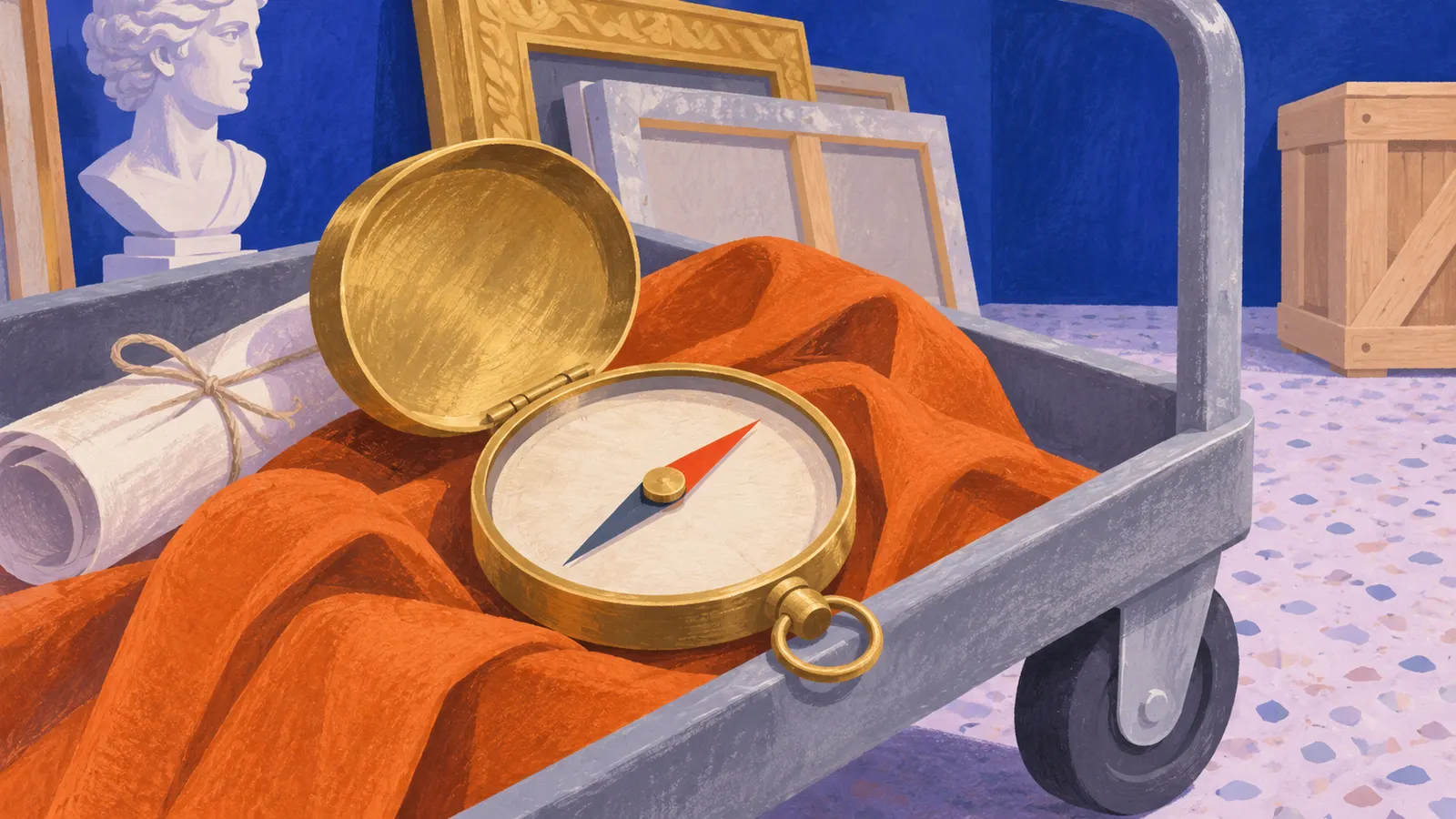
Lena can walk to the alcove, find the cart, notice the torn cloth and ask Arun to open the compartment. The compass is there. His explanation joins the evidence she has already handled. You do not need an uninterrupted inventory of every clue. Instead, choose the two or three details that changed her interpretation and bring them back through objects, questions or short recollections. The important thing is that the action demonstrates the answer rather than asking the reader to accept it on authority.
Now cover the final scene and reread what came before. Could a careful reader have proposed the cart and the alcove as a possible explanation? If the case depends on a compartment never mentioned, show it carrying something ordinary earlier or establish that the cart has a padded storage area. If the answer is obvious too soon, improve the initial reason for suspecting another explanation or change when a supporting clue arrives. Do not solve either problem by deleting a necessary observation.
Try one last deletion test. If you can remove the witness who saw the cart turn into the alcove and Lena still walks straight there, either give her another believable reason to search it or let her check the wrong location first. The clue ledger should describe actions the evidence actually changes, not merely details the ending can mention.
Ask a reader to reconstruct the evidence
Give a reader the story without your ledger and ask where they formed their first theory, which detail changed it and what they still could not explain after the reveal. Ask for the passage, not just a verdict. A reader who guessed early may still enjoy seeing how Lena verifies it. A reader who did not guess may be satisfied if they can point to the evidence afterward. The distinction is between surprise and lack of access, not between clever and careless readers.
Revise one thing at a time. If several readers thought the orange cloth was proof by itself, make the uncertainty clearer or give the location evidence more weight. If they missed a needed observation because the paragraph had too much going on, simplify the surroundings before repeating the clue. Run the same ledger on the revised scenes. At the end you want a chain you can trace on the page: a visible observation, a reasonable interpretation, a test that could have failed, and a consequence that matters to the person doing the investigating.