
Novel planning
Write a sequel with AI: a free planning start
Keep the first ending intact, find a genuinely new problem and draft book two from decisions you have checked.

You want to write a sequel with AI, but the first book already ended properly. Its central problem was solved, the characters changed and the final choice meant something. A new draft that resurrects the defeated opponent or makes everyone forget their growth is not a continuation worth keeping. Book two needs pressure created by the earlier outcome, not a disguised cancellation of it.
Here is a practical Fyrlo planning and drafting exercise using an invented salt-yard story. In book one, Arun helped his community regain control of its water channel. In book two, he must negotiate its use with a neighboring yard represented by Mira. Fyrlo is free to download and includes some usage; that does not mean unlimited generation or every feature is free. Start with a small experiment, then judge the actual writing.
Write a sequel with AI without reopening the old ending
First name what the earlier novel settled. The community owns the channel, Arun admitted his earlier mistake and a damaged basin was repaired. Those outcomes stay true. New trouble may arise from maintaining the shared resource or deciding who benefits from it. It should not require declaring that the ownership never mattered, the admission was fake or the repair secretly solved nothing.
Create a short accepted ending record from your own manuscript. Include decisive events, surviving relationships, promises fulfilled and questions deliberately left open. Separate facts from the interpretations of particular characters. Arun believes the neighboring yard resents him; that belief is not evidence of Mira’s motive. The record is your editorial reference, not an invitation for the model to rewrite the previous book.
Put the relevant premise, plot and character information into the context you use with Fyrlo. Ask for proposals consistent with those facts, not a replacement ending. If you discover a contradiction in your published or finalized first volume, note it separately and decide how to handle it honestly. Quietly changing the earlier outcome in a planning note does not make the resulting sequel coherent.
Find a new obligation rather than a bigger disaster
The new premise should name a protagonist, an observable aim, resistance and the cost of a decision. “Arun returns to the salt yard” gives you a setting. “Arun must negotiate shared water access before the next harvest, although sharing threatens the promise he made to his own yard” gives you a second story. Winning control created responsibility; the sequel tests how he uses it.
Try the premise without references to book one. Can a reader understand what someone wants now and why it is difficult? That does not mean erasing history. It means the new novel has its own dramatic engine. More villains, a larger map or a higher casualty count cannot substitute for a decision that matters to these particular people in their changed circumstances.
K. M. Weiland’s sequel essay asks whether a new volume has enough new story to justify itself. Use that question to examine your premise, rather than treating a sequel as obligatory. Our outline guide can help map the new causal spine. If your proposed plot merely repeats the earlier solution under a different name, change the underlying obligation before requesting chapters.

Organize inherited context into useful boundaries
Keep three categories in your planning notes: established history, the situation at the new opening and possibilities you have not accepted. Established history belongs to the earlier manuscript. The opening situation includes any intervening events you have deliberately chosen. Possibilities remain options, even when a generated paragraph makes them sound certain. This distinction prevents a speculative detail from becoming accidental series history.
For Arun, established history includes the repaired basin and community ownership. At the new opening, Mira has arrived to discuss sharing. A possible outcome is a joint agreement, but it has not happened. Another possibility is a refusal followed by a limited trial. Do not put both outcomes into the same accepted plot context. A model can produce fluent explanations for incompatible versions.
Keep the reference short enough to inspect and specific enough to constrain the next task. Supply relevant relationships and decisions alongside the plot and characters in Fyrlo. Do not assume a dedicated series bible, automatic manuscript import, perfect memory or a canon lock exists. Your notes and review do the verification. When more history becomes relevant, add the checked fact instead of pasting an unexamined summary of everything.
Let the earlier growth create a harder choice
A sequel can challenge growth without pretending it never occurred. Arun learned to admit mistakes; now he must make an unpopular decision openly before knowing whether it will work. That is a harder application of the lesson, not a return to the same secretive behavior for convenience. Ask what his new competence makes possible and what responsibility it leaves him unable to avoid.
Give Mira an independent purpose. She needs predictable access for her own yard, not merely an opportunity to teach Arun generosity. Her proposed arrangement has costs and limits. Write what she can offer, what she cannot promise and what would make her walk away. Resistance becomes credible when it comes from another person’s legitimate aim rather than a sequel’s need for an obstacle.
Use the character context to connect earlier choices with present behavior. A brief might say that Arun admits the negotiation is uncertain but refuses to promise water he cannot allocate. Our character-arc guide offers a broader framework for change. Here the narrower task is to avoid resetting a completed arc while still leaving room for a fresh decision, a mistake and a meaningful correction.
Compare one new premise variable in Fyrlo
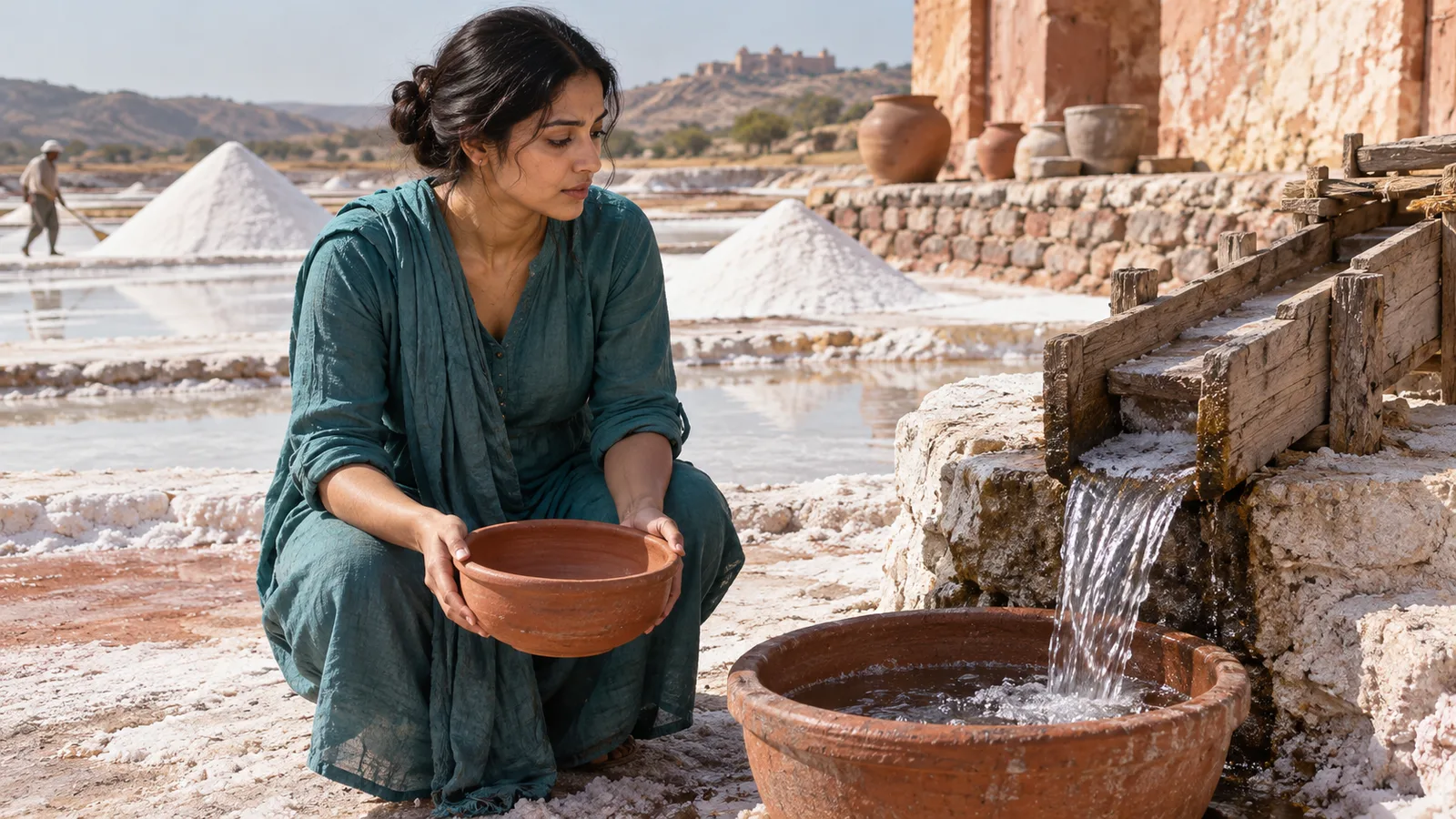
Choose a variable that changes the second volume’s problem without changing its inherited facts. Compare a voluntary request from Mira with a previously agreed obligation that Arun must now honor. Hold ownership, the repaired basin, the two people and the opening date steady. Ask for a short outline of the consequences of each version, not two entire novels competing on decorative prose.
Evaluate the alternatives against the same questions. Does Arun have a difficult choice? Does Mira retain agency? Does the first ending remain valid? Can this conflict support several different consequences rather than the same argument repeated? If one version invents a secret ownership dispute, reject or correct that change before comparing. Otherwise the attractive outline is solving a problem you did not choose.
Keep only the selected premise in accepted context and save the other proposal separately. This is an author-controlled comparison, not a claimed automated branch manager. Fyrlo can help generate and develop proposals; it cannot guarantee continuity, originality, quality or a publishable result. The purpose of the small comparison is to make one consequential planning decision easier to inspect before you invest in a long draft.

Reintroduce the past only when the present needs it
Book two’s opening should show the current problem before delivering a history lecture. Mira arrives with an empty basin while Arun prepares the channel. A short reference to who controls it may be enough to understand the request. The earlier struggle can emerge when it changes what he is willing to promise. Readers need usable orientation, not a compressed retelling of the whole first volume.
Ask for a short opening draft with that present action and a strict limit on recap. Review every sentence about the earlier book. Does it explain a current risk, relationship or choice? If it only proves you remember an old detail, remove it. A returning reader should recognize the changed situation; a new reader should understand the immediate stakes even when some history remains unknown.
Julien Hirt’s essay distinguishes useful returning elements from details carried over merely because they once appeared. Its discussion is in French. Apply the distinction to your own cast and places, without reducing the sequel to a reunion checklist. For background placement inside a scene, our exposition guide addresses that separate craft problem. The sequel plan decides which history needs to travel between whole volumes.
Continue chapter by chapter from the version you accepted
Outline only enough of the second book to know its central decision and the next useful steps. Arun receives the request, consults his own yard and proposes a limited trial. Mira then has to decide whether the conditions meet her needs. Each chapter should alter what the next person can do. Do not confuse a sequence of negotiations with progress if every conversation returns to the same unchanged position.
After each Fyrlo draft, check the chapter against inherited history and the selected new premise. Record what actually changed: an offer made, information shared, a promise limited or a relationship strained. Keep what characters know separate from what readers have seen. If Arun privately doubts the trial, Mira cannot respond to that doubt until some action or conversation gives her grounds to infer it.
Update the context for the next chapter using accepted prose, not the discarded alternative. Write a short handoff stating the current aim, available facts and unresolved decision. If the draft added an unsupported agreement, repair it before moving on. Chapter-by-chapter continuation is useful only when someone takes responsibility for the state being continued. More generated pages do not reconcile incompatible plot facts on their own.

Review the second volume as its own complete story
Read the outline once without nostalgia. Does this book establish and resolve a central question, or does it simply postpone the first book’s answer? Mark its irreversible choices and their aftermath. The ending can leave room for another volume, but the present negotiation still needs a meaningful result. A future book is not a substitute for fulfilling the promise of this one.
Then read for inherited consistency. Check relationships, physical details, knowledge transfers and the elapsed time against your accepted history. A familiar object can acquire a new meaning without changing its earlier role. Ask a returning reader what feels contradicted and a fresh reader what is unclear. Their answers identify different problems; neither audience can be served by dumping all your notes into the opening.
Use the free entry point for a bounded outline and passage test, then check the app’s current usage limits before expanding. Work only with material you are entitled to use and avoid supplying unnecessary private information. Independently verify any real-world facts. Fyrlo assists planning and drafting, not rights clearance, originality certification or editorial approval. Your final revision decides whether book two deserves to stand beside book one.