
Novel structure
Novel midpoint: use AI to test what changes
Decide what your protagonist can no longer do, then test one choice and draft its consequences in Fyrlo.

A novel midpoint earns its place when the next chapter can no longer follow the old plan. Your protagonist may still want the same thing, but something they learn or do changes what it would take to get it. If four chapters have different scenery and end with the same promise to try again, another obstacle is rarely the answer. Decide what has become impossible, and give the character a reason to stop trying it.
You can work that out on paper, then use Fyrlo to compare two tightly bounded versions and draft the consequences of the one you keep. The example here follows Mina, a photographer assembling a community station exhibit. The opening date does not move. What changes is her belief about what she can put on the wall.
Give the novel midpoint a job
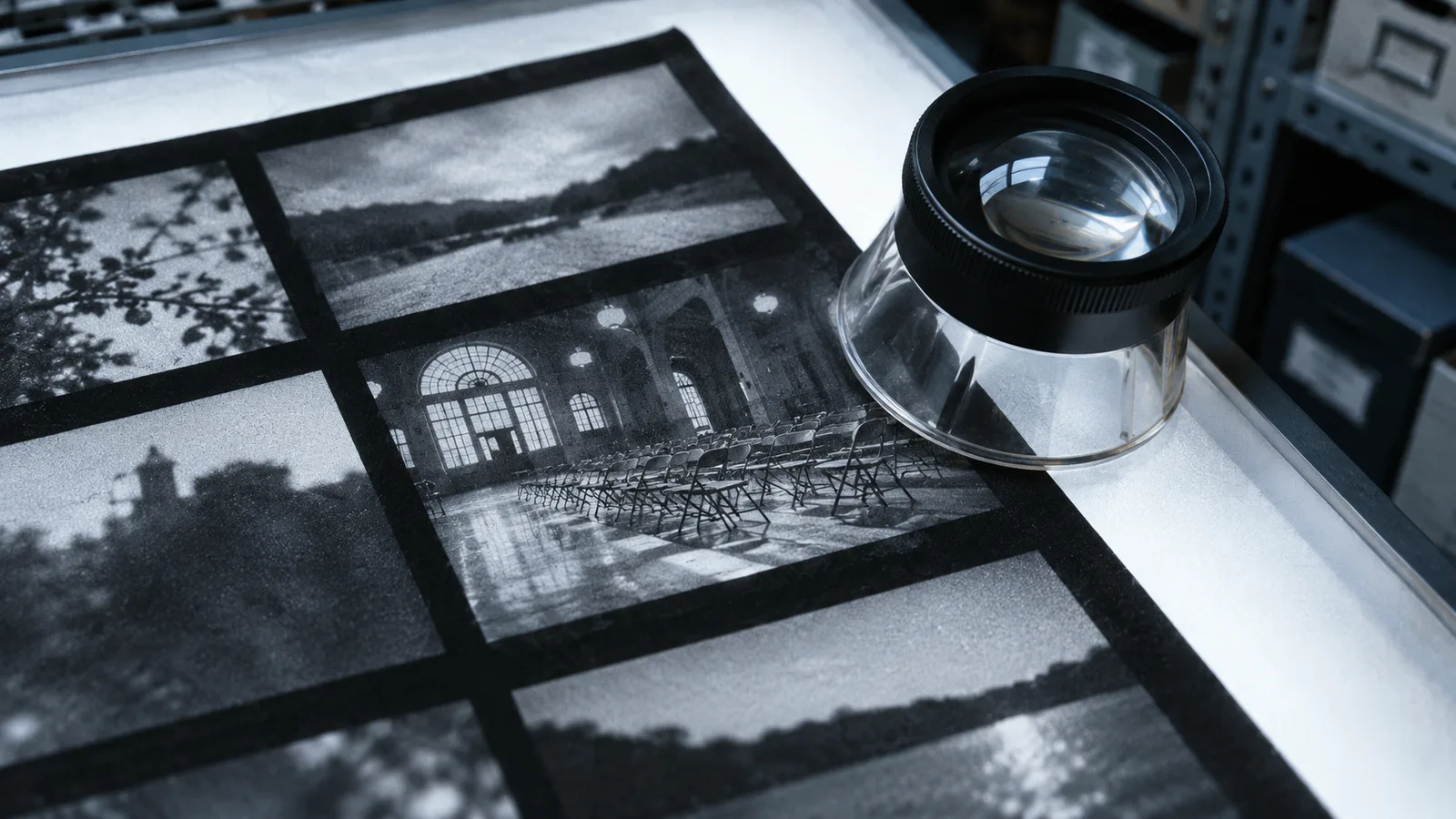
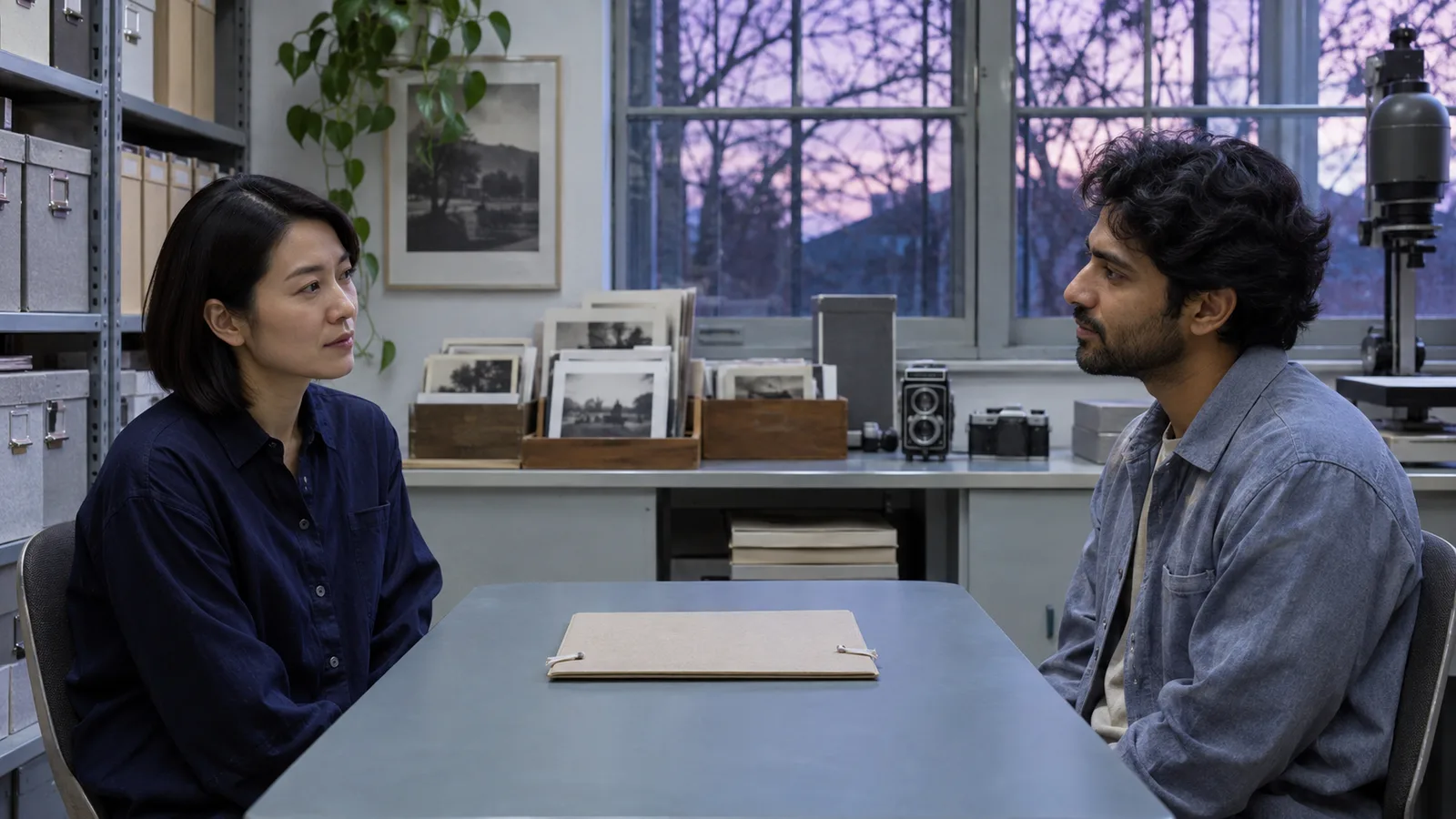
Write down the first half’s working plan in a sentence your protagonist would recognize: get the photos mounted in time for Saturday, and the donors will see why the old station matters. Mina is short of volunteers and frames. Those are genuine problems, but none requires her to question what goes on the wall. Then she sets a contact sheet on the light table and recognizes a frame that was made during a private workshop. She calls Imre, who ran it. He confirms that participants agreed to prints for the workshop only, not the public exhibit. The photograph is still good. Mina’s plan for it is no longer good.
A midpoint can change the goal, the method, or the relationship that makes the method possible. In this version, the goal survives and the method goes. Literary agent Kristin Nelson’s agency distinguishes between goals a character adopts in response to events and goals they actively set. That’s useful here as a question, not a rule: after the call, what will Mina decide instead of waiting for a replacement image to turn up?
Prepare the discovery without announcing it
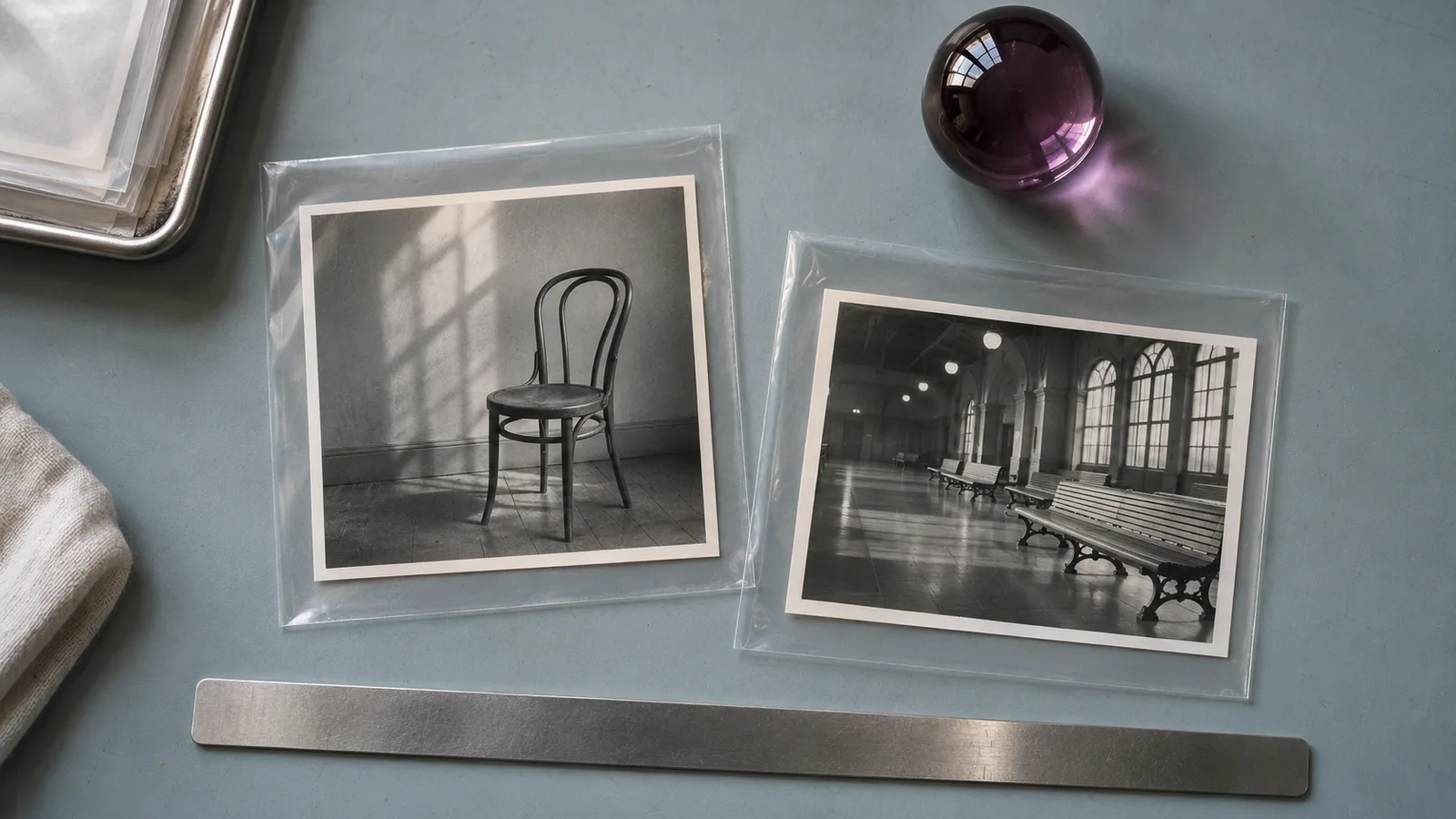
When you reread the first half, look for details that could legitimately change meaning. Mina has handled two groups of image sleeves, and Imre has already asked her to set the workshop box aside. Neither detail needs a spotlight. The first time around, readers can take the sorting for ordinary work. Later they can see how Mina’s assumption that everything in the archive was available for exhibition came to seem reasonable to her, and how little evidence she actually had.
Draw three narrow columns: what happened, what Mina concluded, and what the reader could tell. Perhaps Mina recognizes the workstation from the photo; perhaps only Imre knows why the group was there. Don't give Mina the whole explanation through a cryptic expression the reader cannot possibly read. And don't decide a single image can prove the scope of an agreement. The photograph gives her a question; Imre’s answer changes her options. That distinction keeps the revelation from depending on a conveniently omniscient character.
Give the new problem its own price
Close one route, then test what the remaining ones cost. Mina could leave the central space blank and miss the volunteer team's expectation of a finished wall. She could replace the print with an empty platform and lose the human presence that anchors her arrangement. She could ask people whether they'd contribute something expressly for the exhibit, but they may refuse and Saturday stays put. A real choice has alternatives she might reasonably take. It doesn't rely on making everyone except the protagonist unreasonable.
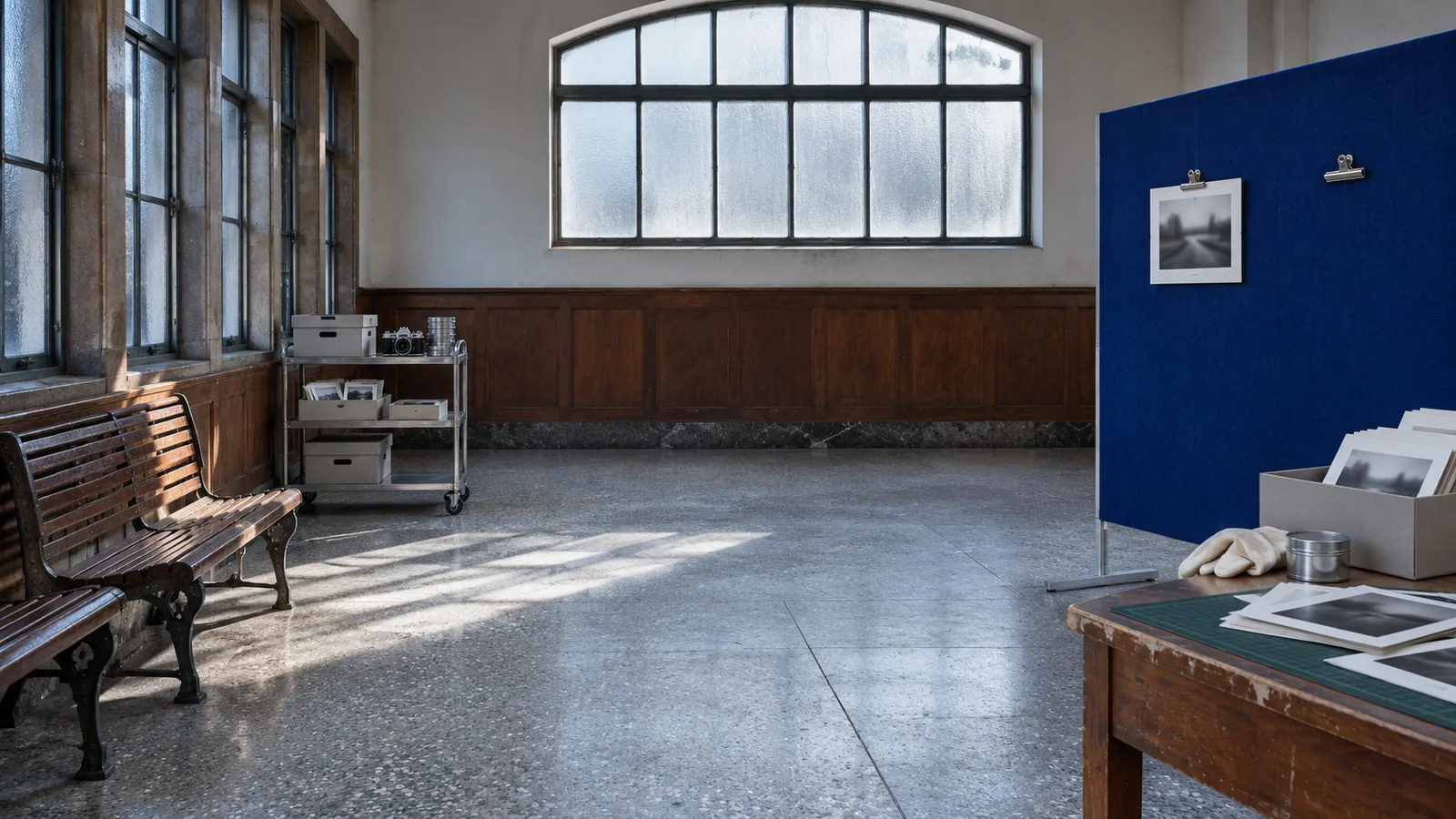
Write the first tangible consequence before working backward on placement. In one version Mina has to tell a volunteer to stop cutting the mount. You can write that scene whether or not you know its chapter number: the volunteer asks which print should replace it, and Mina has no answer. If your draft goes straight from revelation to a polished new wall, you’ve skipped the scene that lets readers feel the loss. The reversal resets the work; it doesn’t need to finish it.
Put fixed facts into the Fyrlo book plan
When you want help testing the turn, start with a Book project in Fyrlo and establish the premise before asking for a scene. Mina is preparing a station exhibit on a fixed opening date; a photograph she expected to use is unavailable for public display. In the editable chapter plan, give the lead-in, discovery and aftermath different jobs. Set up the sleeves before the discovery. Let the scene at the light table and the exchange with Imre establish what’s unavailable. Make the next chapter about a decision Mina has to communicate, not a second explanation of the same problem.
Use the plot and character context to keep roles straight. Mina knows the wall layout, but Imre knows the conditions of the workshop. The volunteer needs an instruction, not access to every conversation. Note what must stay unresolved: no substitute has been accepted, and nobody owes Mina a new photo. Record those limits before drafting. Otherwise a plausible-sounding continuation can make the volunteer offer the perfect replacement and undo the problem you were trying to create.
Compare when she speaks, not two new plots
Keep a copy of your chapter note outside the draft and run a small comparison. In both versions Mina gets the same answer from Imre, the opening is Saturday, and the central print must come off the wall. Change only the timing of her disclosure to the volunteer: immediately, while the mount is still uncut, or at the end of the shift, after it’s ready. Ask for two short scene sketches under those conditions, not two complete rewrites. Tell the app not to add donors, apologies from Imre, or a replacement photo.
Read for what the timing buys and costs. Early disclosure gives the team time but requires Mina to admit she acted on a guess while there’s still work to do. Late disclosure makes her hesitation visible through wasted work; it also asks you to show why she waited. If either sketch depends on the volunteer already knowing about the call, reject that shortcut. Choose the version that tests the quality you care about in this book, then keep only the accepted consequence in the chapter plan.
Check whether your ending still belongs
Look ahead without writing the final scene. If your original climax was all about getting the borrowed frames to the station before the doors opened, you can still use the frames, but they no longer settle the question the second half raises. The last hard choice might instead be whether to open with fewer photographs or postpone a display Mina promised the neighborhood. The reader ought to see how that choice comes from what Mina did after the contact sheet, rather than from a new crisis dropped into the final chapter.
A quiet novel may turn on a conversation, an omission, or a refusal. A faster book may pair the same structural change with a public failure. Test both with the same diagnostic: pick one scene from the second half. If you could move it before the reversal without changing its purpose, the middle may not have done enough work. If a formerly simple task now takes a different action from the same character for a reason readers have witnessed, the turn is probably earning its pages.
Continue with what the characters actually know
Give the next chapter the few facts it must carry: Mina heard the answer from Imre; the volunteer knows only what Mina told them; the central position is empty; Saturday is fixed. Then give the chapter one action, such as asking a retired ticket clerk for a new photograph on terms the clerk can refuse. Ask Fyrlo for that chapter using the settled plan. Read it against the previous scene. If the clerk refers to Imre’s call without being told about it, repair the draft instead of retroactively declaring that everybody knew.
Update the plan only after you accept the scene. If the clerk agrees to a portrait but not to a name in the caption, those are separate facts to carry forward. If the clerk says no, the next chapter must not behave as though nothing changed: Mina has spent time and should now have fewer options. Work one chapter at a time. An AI draft may prompt ideas, but it cannot guarantee continuity, originality, factual accuracy, rights clearance, or readiness to publish. Decisions about the story and the final wording stay with you.
Test the turn on your own scene
Pick the concrete thing your protagonist needed in both halves of the book. Write the request they’d make for it before the turn and after it. Before: can someone cut this mount for me? After: can we leave this space open until I know what belongs here? The sentences should sound possible in your character's mouth. If you can only make them differ by adding urgency, look for a lost option instead. Readers can follow what a person stops doing much more readily than a line declaring that everything has changed.
Finally, give the scene room for the character to absorb the news, then stop once they do something with it. Mina doesn’t need a speech about respecting the archive. Turning the photograph face down, walking to the next room and asking the volunteer to stop can do more. You can then let the silence at the exhibit wall carry into the next chapter, where there’s a new job to do. If that silence leaves readers with a specific question about the plan rather than a vague feeling of delay, draft the answer as an action, not as another explanation.