Writing tips
Internal conflict in fiction: make choices hurt
Build an inner struggle from two values the character cannot honor at once, then force that conflict into action, consequence, and change.

Internal conflict in fiction is not simply a character feeling uncertain. It begins when two important desires, duties, identities, or beliefs cannot be honored at the same time. A marine archaeologist may want to protect a newly discovered site and also protect the family harbor business that will collapse if construction stops. Both commitments are sincere. Whatever she chooses damages something she values, so the decision can shape plot rather than filling pages with circular thought.
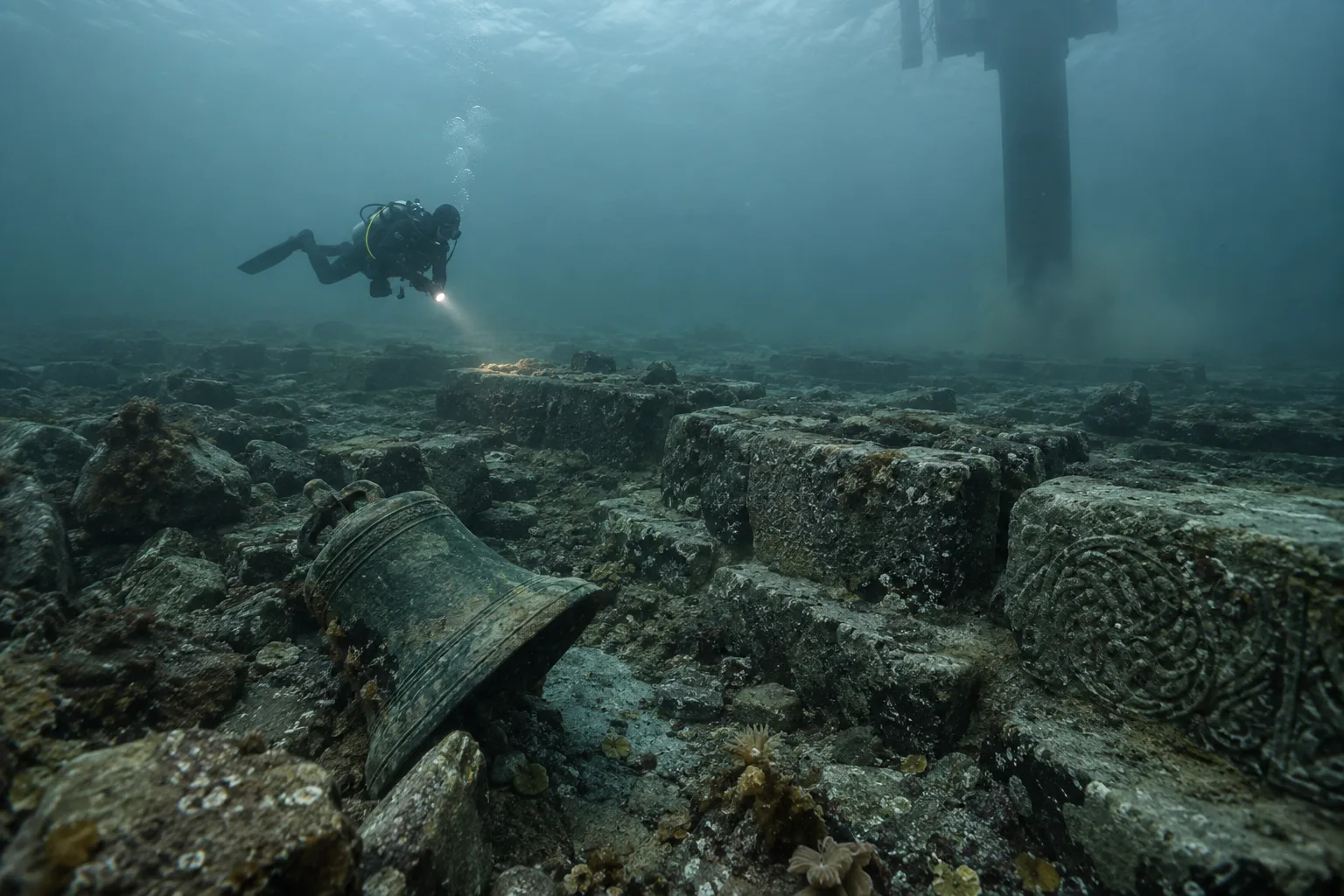
This guide follows Mira, who recovers a bronze bell beside the foundations of a submerged settlement. Reporting the full site may halt a storm barrier before the seasonal surge; concealing it may save the construction schedule and her brother's livelihood while destroying evidence that belongs to the wider community. You will learn to define the competing forces, connect them to external pressure, reveal them through behavior and subtext, escalate the cost, and resolve the struggle through a choice that leaves a believable trace.
Build internal conflict from two values, not one obstacle
A practical internal conflict can be stated as two sentences beginning with 'I must.' Mira must document and protect the submerged settlement because evidence disappears once piling begins. She must help the barrier proceed because the harbor floods, her brother's boatyard employs six neighbors, and another delay may end the business. The second statement cannot be merely selfish or foolish. If one side is obviously correct and painless, the character has a problem to solve, not a self-conflict that can sustain a story.
Distinguish an inner conflict from an external obstacle. The approaching storm, construction deadline, heritage law, and angry brother are outside Mira. Her conflict is the meaning she gives those pressures: she believes a professional who conceals evidence is dishonest, and a sister who sacrifices the family business is disloyal. The storm does not create that contradiction; it removes her ability to avoid it. Purdue OWL's guidance on compelling characters similarly connects clear goals with the conflicts and shortcomings that obstruct them.
Avoid reducing the struggle to want versus fear. Fear can be one force, but the richer question is what the character thinks each action says about who she is. Mira is not simply afraid her brother will be angry. She fears becoming the kind of expert who treats living communities as collateral, while also fearing she will become the kind of daughter who buries evidence to keep peace. Name the identity claim beneath each option. That is where an ordinary decision acquires emotional weight.

Turn the contradiction into a specific choice
Abstract tensions such as freedom versus belonging or ambition versus love are themes, not yet scenes. Give the character an action with a deadline. Mira has until noon to submit her dive record. If she includes the foundation coordinates, the site review will stop the first construction pile. If she submits only the bell, work continues and the rest of the settlement may be damaged. She cannot solve the scene by promising to think about it later.
Write both options in active form, then attach a visible cost and a private cost. Reporting the coordinates protects the site but may bankrupt the boatyard; privately, it confirms Mira's suspicion that her career always comes before family. Withholding them protects the yard but risks irreversible destruction; privately, it makes her professional identity feel fraudulent. The costs should not be symmetrical, yet both must matter to this particular person.
Test whether a conversation could dissolve the conflict. Mira can explain the evidence to her brother, and he may understand her reasons, but understanding cannot remove the flood season, the contract, or the archaeological deadline. If one honest sentence would fix everything, you may have written a misunderstanding instead. Misunderstandings can create useful scenes, but a durable internal conflict survives clarification because values or consequences still collide.
Make the outer plot squeeze the inner struggle
Internal conflict becomes dramatic when external events repeatedly demand action. The barrier crew moves its schedule forward. A weather warning shortens the safe diving window. Mira's brother learns that another delay voids a loan condition. None of these events replaces the inner problem; each closes an escape route. The story should not pause for Mira to contemplate loyalty and truth in isolation. The harbor keeps moving while she decides.
Design scenes in which progress toward one value harms the other. Mira persuades the engineer to grant one extra dive, helping the investigation but costing her brother a day of paid work. She then downplays the size of the foundation to keep the project alive, protecting the yard while weakening her report. Each compromise produces evidence about her priorities and creates a consequence that the next scene must inherit.
The Open University suggests giving a character a dilemma or conflict and notes that an apparently domestic issue can become monumental within that person's life. Scale comes from meaning, not explosions. A kitchen promise to the brother may pressure Mira more than the storm forecast because it activates their shared history. Alternate public pressure and intimate consequence so the conflict affects both plot movement and relationship texture.
Show internal conflict through behavior and subtext
Thought can clarify a dilemma, but repeated self-questioning soon becomes static. Let the conflict leak into action. Mira places the waterproof evidence envelope beneath her jacket before dinner, then keeps touching the chair as if preparing to leave. She corrects her brother when he calls the bell scrap metal, but does not explain why. These behaviors contain competing impulses: conceal and confess, stay and escape, protect the object and protect the relationship.
Use dialogue in which each line serves a present task while carrying another meaning. Her brother asks whether the survey found anything that could delay work. Mira says the visibility was poor. The statement may be technically true, but her attention to wording reveals evasion. He offers to repair her torn dry suit, an act of care that makes disclosure harder. Subtext works because both people want something in the scene; it is not vague speech added to seem literary.
Choose details that change the exchange. A shaking hand is generic unless it causes Mira to spill the sample or prompts her brother to notice. A hidden envelope matters because it can be found. Silence matters because the engineer proceeds without information. Give every sign of inner conflict a possible social or practical consequence. Readers then experience the struggle rather than receiving a list of symptoms.

Escalate by making every compromise change the next decision
Do not repeat the same dilemma at louder volume. Escalation changes what each side now costs. On Mira's second dive, she finds carved foundation stones extending directly beneath the first planned pile. Concealment is no longer a delay in paperwork; it risks destroying a coherent site. Meanwhile, the storm damages one boatyard roof, and the family cannot afford another unpaid week. The choice has become harder because both claims have gained concrete evidence.
Let earlier avoidance narrow the options. Because Mira softened her first report, the engineer doubts her sudden certainty. Because she withheld the envelope, her brother reads the discovery as a personal betrayal rather than a professional disagreement. Her internal conflict has now altered the external world. This prevents the plot from feeling like a sequence of tests imposed by the author; the character has helped create the pressure she faces.
Track the conflict with a short ladder: initial compromise, immediate relief, hidden damage, new pressure, more revealing choice. Remove any rung that leaves no consequence. Also vary the expression. One scene may use evasion, another overwork, another an angry defense of the opposite position. Contradictory behavior feels coherent when it comes from the same unresolved collision.
Resolve the conflict through choice, cost, and changed behavior
Resolution does not require Mira to stop caring about one side. It requires a choice that reveals which principle governs her when both cannot win. She submits the coordinates and requests emergency protection for the site. She also gives the engineer her flood data and helps redesign the first work phase, but the delay still costs the boatyard its contract. Ingenuity can reduce damage; it should not magically refund every price the story has established.
Show the emotional result through changed behavior. Earlier, Mira hid the evidence and edited her language. After choosing, she hands over the bell in public and gives her brother the full report without asking him to forgive her immediately. He may leave. Their relationship can survive in a damaged form, or it may not. A resolved internal conflict means Mira now acts from a clearer hierarchy of values, not that grief and doubt vanish.
During revision, mark every scene in which the conflict changes an action, relationship, or resource. If three chapters contain only similar thoughts, compress them and add a decision. Check that the external plot presses the exact inner contradiction and that the final choice answers the question posed near the beginning. Fyrlo can help keep character motives, plot events, and chapter consequences together while you audit that chain, but it cannot guarantee psychological truth, originality, or a successful novel; those judgments remain yours.