
Workflow
Free AI novel writer: plan as you go
Build a flexible premise, plan only the next useful horizon, and keep characters and consequences aligned as each chapter changes the novel.

A free AI novel writer is most useful when it helps you make the next good decision, not when it tries to invent an entire book in one pass. Many novelists discover the story while drafting. They need enough structure to preserve cause and effect, but not a rigid outline that settles every scene before the characters have begun to move. The practical middle ground is a rolling plan: define the novel's durable promise, prepare the next few chapters, draft one, then update the plan with what the manuscript has actually earned.
This guide uses a working example. Lina hosts a community radio program during a rolling city blackout. An impossible transmission appears to come from her missing brother, while an emergency dispatcher demands the same frequency for public warnings. We will turn that problem into a flexible Fyrlo project, keep character and plot context together, compare one consequential alternative, and continue chapter by chapter. Fyrlo is free to download and includes some usage; that is a starting point, not a promise that every feature or unlimited generation is free.
Give the free AI novel writer a premise that can grow
Begin with a change, a person who must respond, and a consequence. 'A radio host hears a strange signal' is atmosphere. A stronger premise is: during scheduled blackouts, Lina hears her missing brother on a frequency needed by emergency services; following the signal may help her find him, but keeping it on air could delay warnings to the neighborhood. The external pressure and personal need point in different directions. That tension can generate chapters without prescribing their exact contents.
Record what is fixed and what remains open. Lina works the night shift at a volunteer station. The brother has been missing for eleven months. The dispatcher, Tomas, needs access before the next blackout. Those can be accepted facts. Whether the voice is real, recorded, manipulated, or imagined should remain unresolved until the story supplies evidence. Separating facts from possibilities prevents an attractive suggestion from becoming canon by accident.
Create the project in Fyrlo with the premise in plain language, then add the few character facts that drive decisions: Lina wants proof before surrendering the frequency; Tomas wants reliable warnings and distrusts private mysteries during a crisis. Do not fill every field merely because it exists. A compact premise is easier to test. If a proposed scene removes the frequency conflict or gives Lina knowledge she has not earned, you can see the drift immediately.

Plan only the next useful horizon
A discovery writer does not need to choose between no plan and a forty-chapter blueprint. Plan the next three turning points at the level you can honestly predict. Lina isolates the transmission and recognizes a private phrase. Tomas arrives to claim the frequency. A second message directs Lina to an abandoned relay station before the blackout ends. Each point creates a decision, but none dictates every conversation, clue, or setting detail.
For each near chapter, write four short lines: immediate goal, resistance, irreversible change, and question carried forward. Chapter one might end when Lina records the phrase. Chapter two may force her to hide that recording from Tomas. Chapter three can send them together to the relay station after the public alert system fails. If drafting reveals that Tomas should hear the message earlier, change the horizon. The plan is a navigation aid, not a contract.
Keep distant material lighter. You may know the ending must force Lina to choose between public trust and private certainty, but you do not yet need the location or exact mechanism. Fyrlo can hold the premise, plot direction, and chapter sequence in the same project so the next step remains visible. A fuller outline is useful when you want one; our guide to outlining a novel explains that approach. Here, the discipline is to plan only as far as decisions remain meaningful rather than pretending uncertainty has vanished.
Keep characters and the accepted story state together
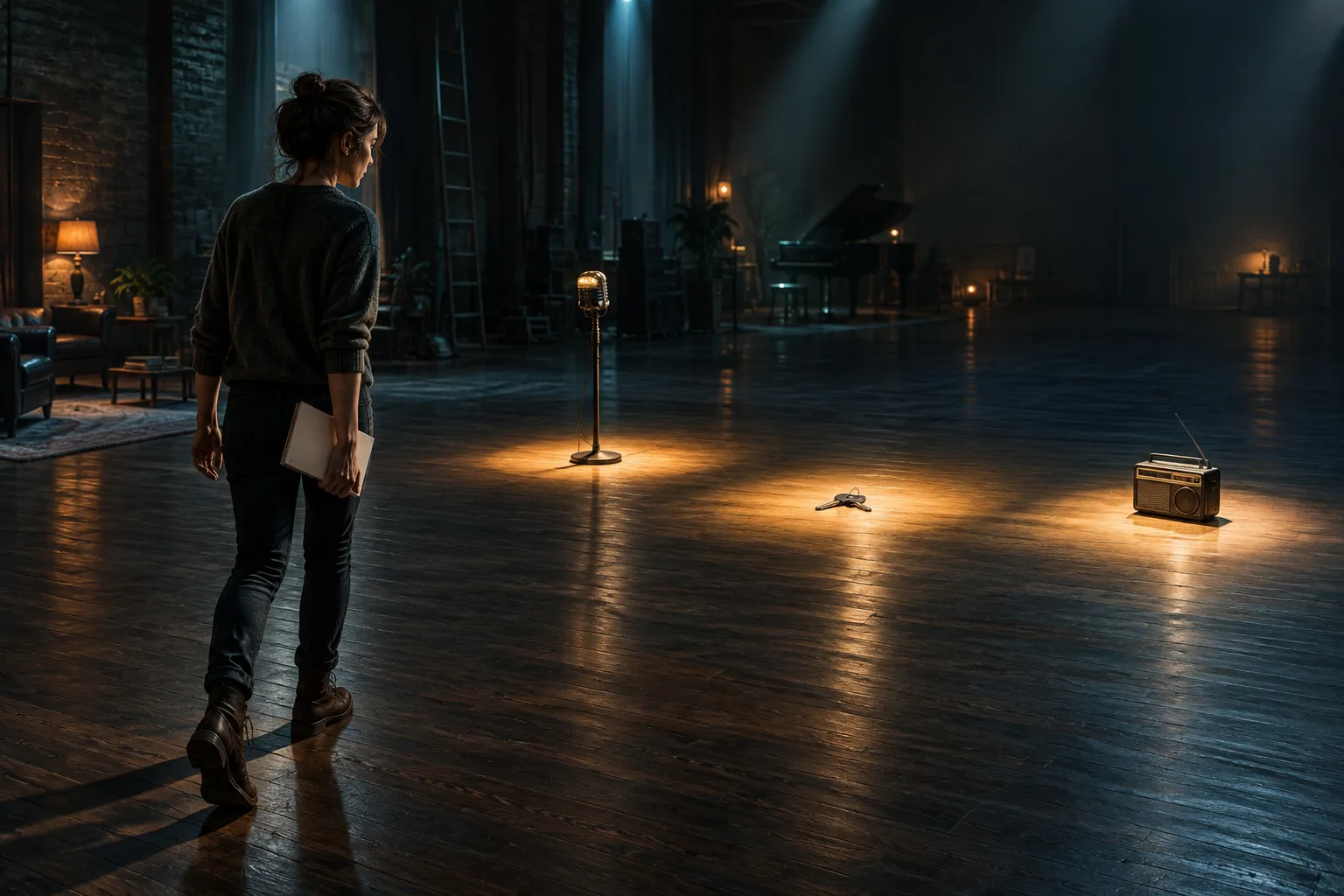
Every drafted chapter changes the material available to the next one. After chapter one, Lina knows the voice used a family phrase, possesses a recording, and has lied by omission to Tomas. Tomas knows only that the frequency behaved irregularly. The reader may know more than either character. Write down those differences. Continuity is not a list of eye colors; it is a record of knowledge, promises, resources, injuries, relationships, and consequences.
Maintain a short accepted-state note after each chapter. Include where and when the next scene begins, what each central character believes, which physical objects matter, what decision just occurred, and what remains only a theory. Research on long-form generation identifies coherence over distant passages as a central challenge and explores the use of a structured plan plus current story state. That supports a careful workflow; it does not prove that any product can remember a novel perfectly.
In Fyrlo, revise character and plot context when the manuscript establishes something new. Keep rejected ideas outside the accepted state. If one generated route says the relay station burned down and another says it is intact, choose before continuing. Then read the next draft against the record. The project can reduce the work of reconstructing context, but you remain responsible for catching contradictions and deciding which discovery belongs in the book.
Compare one meaningful alternative, not five random twists
When a chapter stalls, change one variable while holding the rest of the story steady. At the end of chapter two, compare two actions: Lina gives Tomas the recording but conceals the family phrase, or she keeps the recording and offers to help repair the emergency transmitter. Both preserve the blackout, the contested frequency, and their mistrust. The variable is how much evidence Lina shares. That focused comparison reveals consequences instead of producing unrelated spectacle.
Ask the same questions of each route. What does Lina risk? What must Tomas decide? Which relationship changes? What new pressure reaches the next chapter? In the first route, Tomas can test the audio but may detect Lina's omission. In the second, their practical cooperation grows while the hidden recording becomes more damaging. Choose the branch that develops the novel's central conflict, not the one with the loudest surprise.
Use Fyrlo to compare the focused alternative within the existing premise and context. Once you choose, discard or clearly archive the rejected route and update the accepted plan. Do not let both versions leak into later chapters. An AI fiction writer can suggest possibilities quickly, but it cannot know which moral pressure, rhythm, or relationship you intend to foreground. Selection is the creative work.
Draft chapter by chapter and update the handoff
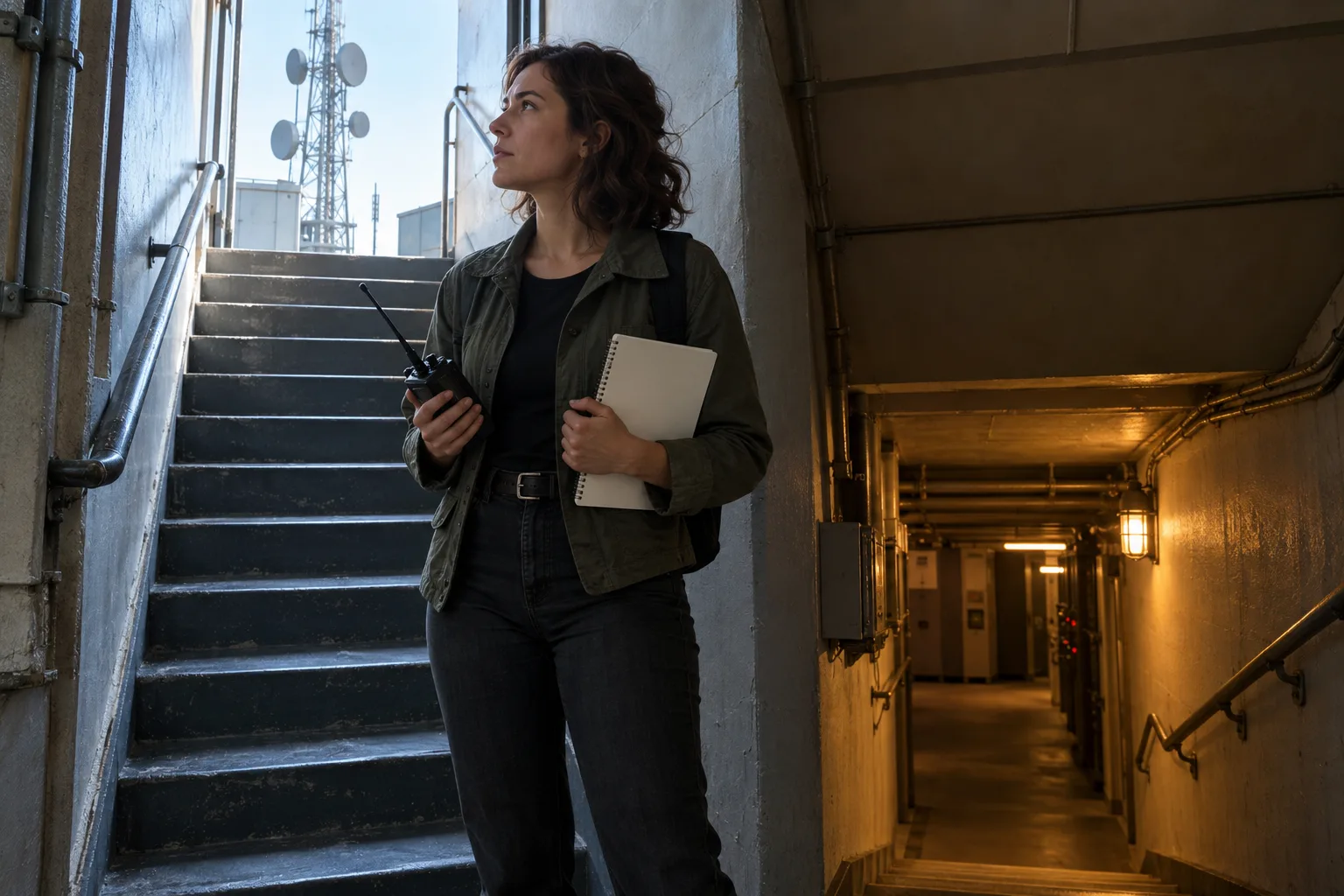
Before generating or drafting a chapter, give it a small contract: a viewpoint, immediate goal, obstacle, ending change, and two or three facts it must respect. Lina enters the relay station to trace the signal; Tomas insists on restoring the public channel; they discover that the equipment is already warm. The chapter should end with a changed situation, not merely more atmosphere. Perhaps the transmitter broadcasts without power, forcing Tomas to take the mystery seriously.
Edit the prose before moving on. Remove generic suspense language, restore your sentence rhythm, and check that every revelation has a source. Then write a handoff of no more than five lines: what happened, what each person now knows, what was spent or damaged, what question remains, and what the next chapter must confront. This habit is more valuable than repeatedly pasting the whole manuscript into a new request.
Fyrlo supports an editable, chapter-by-chapter project, so the plan can evolve with the draft rather than existing in a separate forgotten document. Continue from the accepted version and treat every generated passage as provisional. If voice is your main concern, use the continuation method in our dedicated guide. No workflow guarantees that a later chapter will preserve tone or logic; the handoff simply makes the failure easier to notice and repair.

Use the free start honestly and keep editorial control
A free AI book writer can help you test whether this method fits before you commit a long manuscript. Fyrlo is free to download and includes some usage, but not every feature or unlimited generation is necessarily free. Use a small project with three connected chapters. Test whether you can revise the premise, maintain accepted context, compare one branch, and return to the chosen route. A free label alone says nothing about continuity, privacy, or the quality of your revisions.
Protect the work that only you can do. Generated prose may rely on familiar phrasing, contradict earlier facts, flatten a character's motives, or invent real-world information. Check factual claims with authoritative sources. Purdue OWL's character exercises are a useful reminder to build people through wants, reactions, physical detail, and interaction rather than treating a list of traits as a personality. Read any service's current data and usage terms before adding private manuscript material.
Fyrlo is a planning and drafting aid. It does not guarantee quality, originality, factual accuracy, copyright status, publication readiness, or commercial success. Read connected chapters without the plan beside you. If the conflict, changing knowledge, and emotional consequence are not clear on the page, revise the manuscript rather than adding more background notes. The best rolling plan stays humble: it preserves what the story has earned and prepares the next decision without pretending to replace the writer.