
Poetry and app choices
AI poetry writing app: keep the final word
Choose assistance around a specific poem, then keep control of images, line breaks and the ending.

An AI poetry writing app is useful when it helps you make a particular decision, not merely when it produces a finished-looking poem. Start with an observation you own, identify the part that needs work, and decide what you will keep before generating more. A notebook is enough for this method. The app is optional; your ability to hear, reject and revise a line is not.
Fyrlo publishes this guide, and Fyrlo is the only app recommended here, specifically as an optional planning and drafting aid. This is a transparent suitability checklist, not an independent ranking, a comparative benchmark or a report of product tests. We will use an invented poet, Luis, who is writing about a lemon left on a rooftop table after a conversation. The question is whether assistance helps him discover a more precise poem without replacing his judgment.
Choose an AI poetry writing app around one task
Before choosing software, finish this sentence: I want help with this poem because I cannot yet decide ____. Perhaps the speaker explains too much, the last image repeats the opening, or a stanza sounds like a greeting card. Those are workable tasks. Make my poetry better is not specific enough to evaluate. Write your decision on paper and put it beside the draft. It becomes a boundary against accepting attractive but irrelevant changes.
Luis wants the absent visitor to remain unnamed. His current ending explains that he misses her, although the untouched lemon already carries that possibility. His task is to explore an ending without the explanation while keeping the fruit, table and afternoon. He can perform that experiment himself by crossing out the final sentence. If he later uses an app, the same boundary applies. A tool that produces many polished lines but ignores the chosen omission may be poorly suited to this particular task, however fluent the language sounds.
Bring details that the app cannot choose for you
Prepare a small observation bank rather than a broad emotional label. Luis records the rough peel, a pale patch where the fruit rested, the smell released by a thumbnail, and the table warming after the visitor leaves. These are invented details for our exercise, not evidence of an event that happened. In your own poem, distinguish remembered particulars from details you deliberately invent. Do not let an assistant quietly turn uncertain memories into confident biographical statements.
Choose two details that belong together and leave the rest available, not compulsory. Specificity is not a competition to mention every sense. The lemon's smell might matter because the speaker finally handles what the visitor left untouched. Adding distant bells, birds and sunset could dilute that action. The linked sensory-imagery guide offers a separate craft exercise if your observation bank is vague. For app selection, the practical question is whether you can supply and preserve your chosen details without being pushed toward a generic romantic scene or an imitation of a named poet.

Separate the poem's words from its line breaks
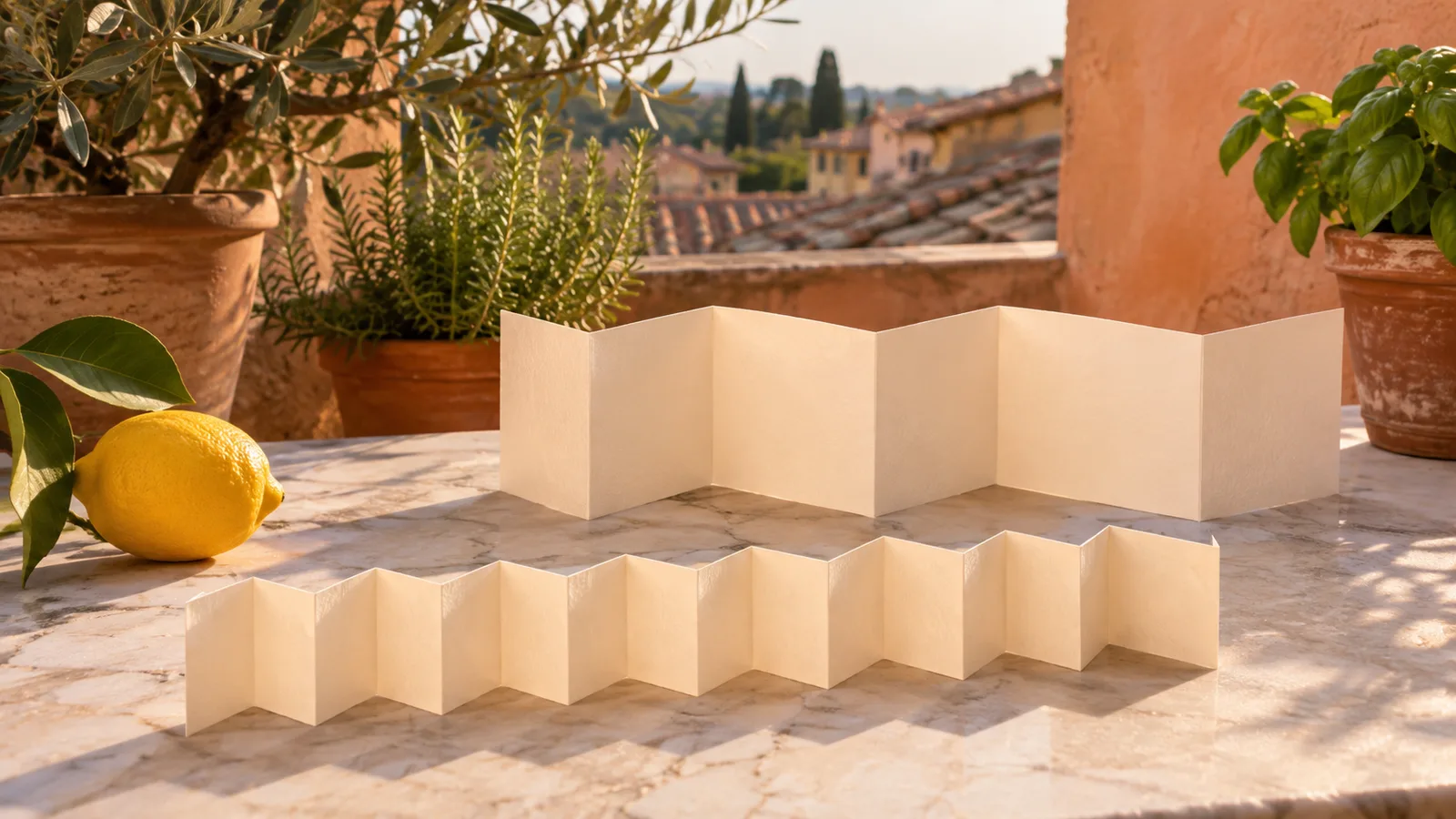
Use your own short draft to decide whether you need language suggestions or a different arrangement of existing words. Copy the same sentence into two layouts on paper. Break one version after the action and the other after its object. Read each aloud at a natural pace. Notice what the reader temporarily expects before reaching the next line. Neither version wins automatically; one may create useful hesitation while the other simply makes the syntax difficult to follow.
The Poetry Foundation's discussion of the poetic line is a useful English-language craft reference for thinking about how a line functions. It is not evidence that an app can assess your poem. If strict form matters, check the actual syllables, stresses and rhyme in your language yourself. A generated label such as sonnet or haiku is not proof that the result follows your intended form. Fyrlo should not be chosen on an invented promise of automatic scansion, a verified meter checker or professional poetry typesetting. Keep the decision about form separate from the convenience of getting a draft.
Ask for one alternative, then examine its cost
Give yourself a controlled comparison before opening a tool: preserve the speaker, lemon, table and unspoken departure; change only the final image. Draft one alternative ending. Put it beside the original without deleting either. Ask what the new image permits the reader to infer and what it makes less clear. A line can be more surprising yet less honest about the scene. Another can sound smoother while removing the awkwardness that made the speaker recognizable.
If you request an AI alternative, use the same brief and inspect every change. Do not assume that an instruction to change only the ending will be obeyed. A new visitor, an invented reconciliation or a sudden rainstorm changes the poem rather than testing the ending. Reject those additions or revise them deliberately. One comparison is enough to reveal a direction; ten more may only make it harder to remember your original aim. Save the accepted wording in your own working copy and note why you chose it. A manual comparison does not require a dedicated in-app version tree.

When Fyrlo is a reasonable fit, and when it is not
Fyrlo can be a reasonable option if you want to prepare a poetry project and explore a bounded draft from your own premise and context. Set out the subject, speaker and details that must remain, then ask for a focused passage rather than an entire collection at once. Review the result against the paper brief. Do not transfer the dedicated editable chapter-plan workflow for Book projects to poetry as though it were the same screen or promise an automatic collection editor.
For a connected group of poems, keep a manual note of accepted images, speaker choices and what each piece contributes. Continue with the next piece only after deciding which facts and wording belong in the project. The broader chapter-by-chapter approach is useful for a Book project, but a poem need not become a chapter or a miniature plot. If your main requirement is specialist meter analysis, a guaranteed rhyme scheme, offline work or a browser editor, do not infer that Fyrlo supplies it. Use the actual app information and a small non-sensitive exercise to decide fit, and keep writing without AI if that serves the poem better.
Check the reading experience outside the generation loop
Put the screen aside and read the accepted draft aloud yourself. Mark where you breathe, where an image becomes abstract and where a word sounds borrowed from someone else's vocabulary. Reading slowly is not a requirement to pause at every line ending. Try the syntax first, then notice whether the line arrangement creates additional pressure. The aim is to hear your choices, not to perform an impressive voice that hides a weak phrase.
Ask a willing reader a narrow question after giving them the whole poem: which object stayed with you, or where did you feel the speaker's intention change? Do not explain the intended answer first. Luis might learn that the lemon remains vivid but the final gesture seems triumphant when he intended uncertainty. That reaction offers a revision question, not an instruction to make every reader agree. A generator's praise is not a substitute for that encounter. The linked guide on beta-reader questions explains how to collect reactions without turning another person's preferences into a mandatory rewrite.
Make privacy, cost and format part of the decision
Use a fictional example for an initial app exercise. A poem can expose names, private correspondence and details about other people even when it is short. Remove identifying material that is unnecessary for the writing task and read the current app-specific privacy notice before sharing anything sensitive. Do not assume that deleting text from a local working copy deletes a cloud project or all provider records. Check the actual controls and applicable notice instead of relying on a general promise that a tool is private.
Fyrlo is available through the linked Apple and Google Play stores. It is free to download and includes some usage, not every feature or unlimited generation. Check the current offer and any purchase terms in your own store before committing; no price or device requirement is invented here. Also inspect the final destination for line breaks and stanza spaces yourself. A poem that looks right inside an editor may wrap differently when shared. Keep your accepted text separately so a format decision does not force you to regenerate the wording you already chose.
Finish with an editorial decision, not another prompt
Return to the one task you wrote at the start. Can you now explain what changed and what remains unresolved? Luis may retain the untouched lemon, remove the explicit statement of longing and end with the speaker turning the fruit to reveal its pale side. That is one possible invented choice, not a universal recipe. If the ending now suggests reconciliation too strongly, he can revise the gesture rather than asking for a completely new poem.
Keep a brief record: original aim, accepted change, rejected addition and next human question. This provides a useful stopping point even when the poem is unfinished. An app has helped if it leaves you with a decision you understand and can defend in your own words. Fyrlo does not guarantee quality, originality, factual accuracy, copyright status, publication readiness or commercial success. Check any relevant submission rules yourself and describe assistance honestly when required. The final editorial responsibility stays with the person deciding what the poem should say, including the decision to leave a line imperfect for a reason.